×


امروز جمعه ۱ آبان ۱۴۰۵
اگر به یک وب سایت یا فروشگاه رایگان با فضای نامحدود و امکانات فراوان نیاز دارید بی درنگ دکمه زیر را کلیک نمایید.
ایجاد وب سایت یادسته بندی سایت
محبوب ترین ها
پرفروش ترین ها
پر فروش ترین های فورکیا
پر بازدید ترین های فورکیا
 فروش فیلتر بورسی استریکلی فقط 75 هزار تومان
 کسب درآمد اینترنتی 300000 تومان در خانه در کمتر از 30 دقیقه
 کسب و کار اینترنتی با درآمد میلیونی
 روش درآمدزایی در خواب (تعجب نکنید! کلیک کنید و بخوانید)
 ربات همه کاره اینستاگرام
 کسب درآمد از هوش مصنوعی ماهیانه حداقل ۱۲ میلیون تضمینی
 کسب درآمد روزانه حداقل یک میلیون تومان ! کاملا حلال و واقعـی !!
 کسب درآمد ابدی و بی نهایت 100% واقعی
 مجموعه ی آموزش تعمیر لامپ کم مصرف (از مبتدی تا پیشرفته)
 افزایش ممبر کانال، گروه و ربات تلگرام به صورت بی نهایت (اد ممبر)
 دانلود مجموعه آموزشی پایپینگ ( Piping ) و نقشه خوانی + آموزش سه نرم افزار طراحی و تحلیل لوله کشی صنعتی
 آموزش برنامه نویسی آردوینو
 آموزش رایگان کسب درآمد از سایت الیمپ ترید ( olymp trade )
 آموزش بازكردن انواع قفل ها بدون كليد(ويژه)
 کسب و کار اینترنتی در منزل
 بازگردانی پیامک های حذف شده- ریکاوری پیامک ۱۰۰٪ عملی
 اموزش ویرایش امضا و پکیج برنامه اندروید و کسب درامد از مارکت های اندرویدی
 آموزش ساخت بازی بدون دانش برنامه نویسی و طراحی سه بعدی مبتدی تا پیشرفته با نرم افزار
 اموزش کسب درامد از اینترنت روزانه ۳میلیون تومان تضمینی و تست شده 1403
 کد های آماده html و css جهت یادگیری و طراحی سریع
 درامدزایی در خواب! (تعجب نکنید! بخوانید)
 نسخه خطی اشعار و پیشگویی های شاه نعمت الله ولی
 آموزش كامل تعمير لامپ كم مصرف(اختصاصي)
 نسخه خطی اشعار و پیشگویی های شاه نعمت الله ولی
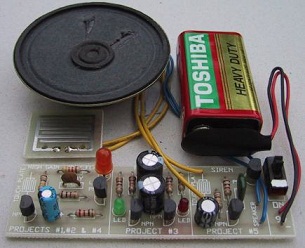 مدار داخلی واکی تاکی(اموزش ساخت)
 کتاب افزایش ممبر کانال تلگرام
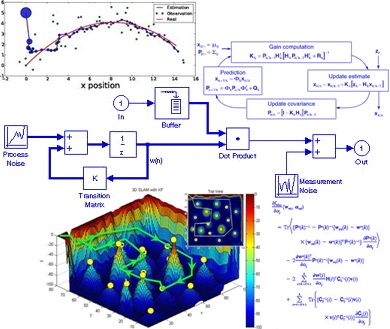 دانلود پاورپوینت فیلتر کالمن بر روی یک سنسور شتاب سنج برای تخمین سه متغیر حالت
 اندیکاتور ای کیو آپشن
 دانلود100% رایگان نرم افزار تبلیغات در تلگرام + آموزش کامل و فیلم آموزشی
پیوند ها
Dried apricots are among the most popular dried fruits in international markets, valued for their naturally sweet flavor, pleasant texture, attractive color, and versatility. They can be enjoyed as a convenient snack or used in breakfast foods, desserts, bakery products, confectionery, trail mixes, and commercial food manufacturing.
However, not every dried apricot offers the same quality. Differences in variety, grade, drying method, color, size, moisture, texture, and processing can significantly influence the final product.
For consumers, retailers, wholesalers, and food manufacturers looking for the Best Dried Apricots to Buy, understanding these differences is essential. A thoughtful purchasing decision can help ensure better flavor, appearance, consistency, and value.
Apricots naturally contain water, and drying concentrates their flavor while creating a convenient product with a longer storage potential when properly processed and stored.
High-quality dried apricots can offer a pleasant combination of sweetness and mild tanginess. Their chewy texture also makes them easy to incorporate into a wide range of foods.
They are commonly used for:
Everyday snacking
Breakfast mixes
Trail mixes
Bakery products
Desserts
Granola and cereals
Confectionery
Catering
Food manufacturing
Retail packaging
This versatility makes quality an important factor for both individual consumers and commercial buyers.
Several characteristics should be evaluated when purchasing dried apricots.
Color is one of the first characteristics buyers notice. Depending on the processing method, dried apricots may have a bright orange appearance or a darker, more natural brownish-orange color.
A bright color can result from specific processing methods, while naturally dried products may have a darker appearance.
Color alone should never be treated as the only indicator of quality. It should be considered together with flavor, texture, aroma, cleanliness, and processing standards.
Texture has a major influence on the eating experience.
Premium dried apricots should generally have a pleasant chewy texture appropriate for their grade and moisture level. They should not be excessively hard, overly sticky, or unpleasantly dry.
The ideal texture may differ according to the intended application. Retail consumers may prefer a soft and chewy product, while food manufacturers may have specific requirements for processing.
Good dried apricots should retain a characteristic apricot flavor with a naturally sweet and slightly tangy profile.
An unpleasant fermented, overly sour, or stale flavor can indicate poor handling or unsuitable storage.
For buyers purchasing larger quantities, tasting samples before confirming an order can be an effective quality-control step.
Dried apricots can be categorized into different grades according to factors such as size, appearance, color, quality, and consistency.
Higher grades generally focus more heavily on attractive appearance, uniformity, and fewer visible defects.
However, the best grade depends on the intended application.
A premium retail product may require highly uniform, attractive pieces, while an industrial application may prioritize flavor, processing performance, and cost efficiency.
One important purchasing consideration is how the apricots were dried and processed.
Some dried apricots have a vivid orange appearance, while naturally dried products can develop darker tones during drying.
Neither appearance should automatically be considered superior. Instead, buyers should understand the processing method and evaluate whether the final product meets their expectations for flavor, texture, appearance, and application.
For everyday snacking, taste and texture are particularly important.
Consumers often prefer dried apricots that are:
Naturally sweet
Pleasantly chewy
Easy to eat
Free from undesirable odors
Consistent in quality
Attractive in appearance
The ideal product should deliver a satisfying balance between sweetness and the natural tartness associated with apricots.
Retail buyers have additional considerations.
Customers often expect a packaged dried fruit product to have an attractive appearance and consistent quality. Pieces should generally be reasonably uniform, clean, and suitable for presentation.
Packaging should also protect the product from moisture, contamination, physical damage, and environmental conditions that could reduce quality.
For premium retail products, attractive color, size consistency, and texture can have a significant influence on consumer perception.
Manufacturers may evaluate dried apricots differently from retail buyers.
When dried apricots are used in bakery products, cereals, confectionery, fillings, or other processed foods, functional characteristics become particularly important.
Manufacturers may prioritize:
Consistent moisture
Suitable texture
Size specifications
Flavor
Processing performance
Reliable supply
Competitive pricing
The most attractive dried apricot is not necessarily the most suitable option for industrial production.
Size can influence both presentation and processing.
Large, uniform dried apricots may be particularly suitable for premium retail packaging, while smaller pieces or different cuts may be useful for manufacturing applications.
Uniformity is also important for commercial buyers because it makes packaging and quality control easier.
When evaluating a batch, buyers should look beyond individual pieces and consider whether the entire shipment meets the required specifications.
Moisture is a critical factor in dried fruit quality.
If a dried apricot contains excessive moisture, storage stability may be affected. On the other hand, a product that is excessively dry may have an overly hard texture and reduced consumer appeal.
Proper packaging and storage conditions are therefore essential.
Buyers should consider expected transportation time, warehouse conditions, packaging type, and final shelf-life requirements before selecting a product.
A simple quality assessment can include several steps.
Look for pieces that are reasonably clean and consistent with the expected grade.
Check for excessive discoloration, physical damage, foreign material, or signs of deterioration.
The product should have a texture appropriate for its intended use.
A pleasant chewiness is often desirable for direct consumption, while manufacturers may require a particular firmness for processing.
High-quality dried apricots should have a pleasant characteristic aroma.
Unusual odors may indicate problems with storage or product condition.
Flavor remains one of the most useful indicators of consumer quality.
A good dried apricot should provide a recognizable apricot flavor with natural sweetness and an appropriate level of acidity.
A common mistake is selecting dried apricots based exclusively on price.
The cheapest option may not provide the consistency, flavor, texture, or appearance required by your target market.
At the same time, the highest-priced grade may not be necessary for every application.
The best purchasing decision balances:
Quality
Grade
Appearance
Flavor
Texture
Intended use
Packaging
Storage requirements
Market expectations
Overall cost
This approach can help buyers achieve better value rather than simply choosing the lowest or highest price.
For international buyers, quality evaluation should extend beyond the product itself.
Important factors include:
Product specifications
Grade consistency
Packaging
Storage requirements
Transportation conditions
Order quantities
Product availability
Market preferences
Supplier reliability
A supplier capable of maintaining consistent specifications can be particularly valuable for retailers and distributors.
Before purchasing, define exactly what you need.
If the product is intended for premium retail, appearance and uniformity may be priorities. For industrial applications, processing characteristics and cost may matter more.
Consider these questions:
What is the intended use?
What grade is required?
What color is preferred?
What texture is appropriate?
What size is needed?
How important is visual uniformity?
How will the product be stored?
How far will it be transported?
What does the target market prefer?
What quality-to-price ratio makes sense?
Answering these questions can make it easier to identify the most suitable product.
High-quality dried fruit can provide a better eating experience and stronger commercial potential.
For consumers, better flavor and texture can increase satisfaction. For retailers, consistent appearance can improve product presentation. For manufacturers, reliable specifications can simplify production.
Quality therefore has practical value beyond appearance.
Finding the Best Dried Apricots to Buy requires a balanced evaluation of color, texture, flavor, size, moisture, grade, processing, packaging, and intended application.
There is no single dried apricot that is perfect for every buyer. The right choice depends on whether the product is intended for snacking, retail, food manufacturing, wholesale distribution, or another purpose.
By comparing grades carefully and evaluating samples before making larger purchases, buyers can make more confident decisions and obtain dried apricots that match their expectations.
Whether you are purchasing for your family, retail business, food production line, or international market, focus on consistent quality, appealing texture, natural flavor, and suitable specifications.
