×


امروز جمعه ۱ آبان ۱۴۰۵
اگر به یک وب سایت یا فروشگاه رایگان با فضای نامحدود و امکانات فراوان نیاز دارید بی درنگ دکمه زیر را کلیک نمایید.
ایجاد وب سایت یادسته بندی سایت
محبوب ترین ها
پرفروش ترین ها
پر فروش ترین های فورکیا
پر بازدید ترین های فورکیا
 فروش فیلتر بورسی استریکلی فقط 75 هزار تومان
 کسب درآمد اینترنتی 300000 تومان در خانه در کمتر از 30 دقیقه
 کسب و کار اینترنتی با درآمد میلیونی
 روش درآمدزایی در خواب (تعجب نکنید! کلیک کنید و بخوانید)
 ربات همه کاره اینستاگرام
 کسب درآمد از هوش مصنوعی ماهیانه حداقل ۱۲ میلیون تضمینی
 کسب درآمد روزانه حداقل یک میلیون تومان ! کاملا حلال و واقعـی !!
 کسب درآمد ابدی و بی نهایت 100% واقعی
 مجموعه ی آموزش تعمیر لامپ کم مصرف (از مبتدی تا پیشرفته)
 افزایش ممبر کانال، گروه و ربات تلگرام به صورت بی نهایت (اد ممبر)
 دانلود مجموعه آموزشی پایپینگ ( Piping ) و نقشه خوانی + آموزش سه نرم افزار طراحی و تحلیل لوله کشی صنعتی
 آموزش برنامه نویسی آردوینو
 آموزش رایگان کسب درآمد از سایت الیمپ ترید ( olymp trade )
 آموزش بازكردن انواع قفل ها بدون كليد(ويژه)
 کسب و کار اینترنتی در منزل
 بازگردانی پیامک های حذف شده- ریکاوری پیامک ۱۰۰٪ عملی
 اموزش ویرایش امضا و پکیج برنامه اندروید و کسب درامد از مارکت های اندرویدی
 آموزش ساخت بازی بدون دانش برنامه نویسی و طراحی سه بعدی مبتدی تا پیشرفته با نرم افزار
 اموزش کسب درامد از اینترنت روزانه ۳میلیون تومان تضمینی و تست شده 1403
 کد های آماده html و css جهت یادگیری و طراحی سریع
 درامدزایی در خواب! (تعجب نکنید! بخوانید)
 نسخه خطی اشعار و پیشگویی های شاه نعمت الله ولی
 آموزش كامل تعمير لامپ كم مصرف(اختصاصي)
 نسخه خطی اشعار و پیشگویی های شاه نعمت الله ولی
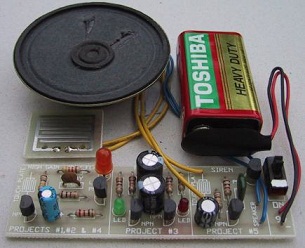 مدار داخلی واکی تاکی(اموزش ساخت)
 کتاب افزایش ممبر کانال تلگرام
 دانلود پاورپوینت فیلتر کالمن بر روی یک سنسور شتاب سنج برای تخمین سه متغیر حالت
 اندیکاتور ای کیو آپشن
 دانلود100% رایگان نرم افزار تبلیغات در تلگرام + آموزش کامل و فیلم آموزشی
پیوند ها
In todays interconnected food industry, finding a reliable trading partner is essential for businesses that want to source high-quality products, maintain consistent supply chains, and expand into international markets. From wholesalers and distributors to retailers and food manufacturers, companies need suppliers who understand product quality, commercial requirements, and the importance of long-term business relationships. Dingonuts Food Trading Company represents a business-focused approach to connecting food products with market opportunities, helping buyers explore Iranian agricultural goods and a diverse range of food products for domestic and international trade.
The global demand for nuts, dried fruits, agricultural commodities, and convenient snack products continues to create opportunities for businesses seeking distinctive products and dependable sourcing partners. Iran has a strong agricultural heritage, with products such as pistachios, raisins, dates, dried figs, and dried apricots offering potential for international distribution. For importers and wholesalers, these categories provide opportunities to diversify product portfolios, respond to consumer preferences, and develop competitive offerings across different market segments.
Choosing the right trading company involves more than comparing product prices. Buyers must also consider product specifications, packaging options, communication, order requirements, shipping arrangements, and the ability to build a productive relationship over time. Dingonuts Food Trading Company can serve as a starting point for businesses exploring food trading opportunities connected with Iranian produce and international markets.
Food trading companies connect producers, suppliers, distributors, and buyers. Their role is especially important in international commerce, where businesses may need to coordinate product selection, documentation, packaging, logistics, and communication across different countries.
A professional trading partner helps buyers understand available product categories and identify options that match their commercial needs. Rather than treating every order as an isolated transaction, a business-oriented supplier relationship focuses on consistency, clear expectations, and opportunities for future cooperation.
For importers and distributors, working with a suitable food trading company can simplify the sourcing process. Buyers can define their requirements, compare product specifications, discuss quantities, and evaluate whether a suppliers capabilities align with their distribution strategy.
The value of Dingonuts Food Trading Company lies in the commercial opportunity associated with connecting food products, agricultural resources, and buyers looking for dependable sourcing options. Businesses considering a new supplier should evaluate the available products, confirm specifications, and discuss the practical details of purchasing before making a final decision.
Irans agricultural sector includes several product categories that are relevant to international food markets. Nuts, dried fruits, dates, raisins, and other agricultural products can serve different customer groups, from food manufacturers and wholesalers to specialty retailers and grocery distributors.
These products offer several commercial advantages. Many dried fruits have a longer shelf life than fresh fruit when properly processed and stored. Nuts are widely used as standalone snacks and as ingredients in confectionery, bakery products, desserts, and other food applications. Dates and raisins can also be incorporated into breakfast products, snack mixes, energy bars, and traditional recipes.
For international buyers, product diversity creates opportunities to build a more flexible inventory. A distributor might source several dried fruit varieties for retail packaging while also purchasing nuts for wholesale customers or food production businesses.
However, product quality and suitability must always be assessed individually. Buyers should request information about origin, grade, size, moisture specifications where relevant, processing methods, packaging, storage requirements, and applicable food safety documentation.
By exploring Dingonuts Food Trading Company, businesses can focus on the potential of Iranian food products while identifying the information they need to evaluate a supplier relationship carefully.
A diverse product portfolio can help businesses serve multiple customer segments and respond to changing market demand. The most suitable selection depends on the buyers target market, distribution channels, pricing strategy, and customer preferences.
Nuts are an important category in the international food trade. Pistachios, almonds, walnuts, and other varieties can be sold as packaged snacks or used as ingredients in bakery products, chocolates, desserts, confectionery, and specialty foods.
Wholesale buyers may prioritize consistent grading, product appearance, flavor, packaging formats, and competitive purchasing conditions. Food manufacturers may have additional requirements related to processing, ingredient specifications, allergen management, and production volumes.
When evaluating nuts, buyers should request clear product specifications and verify that the proposed goods meet their intended applications. Packaging and storage conditions are equally important because nuts can be affected by moisture, temperature, and unsuitable handling.
Dried fruits are popular because they offer convenience, versatility, and a concentrated fruit flavor. Raisins, dried apricots, dried figs, and dates are used in retail snacks, bakery products, breakfast foods, desserts, and food manufacturing.
Different customers require different characteristics. Retailers may prioritize attractive appearance and consumer-friendly packaging, while industrial buyers may focus on ingredient specifications, bulk quantities, and processing suitability.
A carefully selected dried fruit range can help wholesalers serve grocery stores, specialty food retailers, catering businesses, and manufacturers. Businesses should compare grades, sizes, color, texture, packaging, and shelf-life information before purchasing.
Dates and raisins are widely used in traditional cuisines and contemporary food products. They can be sold directly to consumers or supplied to manufacturers producing cereals, baked goods, confectionery, snack mixes, and other packaged foods.
For distributors, these categories can complement nuts and other dried fruits. Offering related products may make it easier to serve customers who prefer to source several ingredients through a coordinated purchasing process.
The most effective product selection depends on local demand and market positioning. Importers should investigate consumer preferences, labeling requirements, import regulations, and competition before committing to a large order.
Selecting a supplier is a strategic decision that can influence product quality, operating costs, and customer satisfaction. A competitive price is important, but it should not be the only consideration.
Product descriptions should provide enough information for buyers to determine whether the goods meet their requirements. Depending on the category, relevant details may include grade, size, origin, processing method, moisture content, packaging type, and storage conditions.
Buyers should request samples when appropriate and establish acceptance criteria before placing substantial orders. Clear specifications help reduce misunderstandings and support consistent purchasing decisions.
Effective communication is fundamental to international trade. Buyers need timely answers about availability, order quantities, pricing, lead times, packaging, and documentation.
A professional supplier relationship should encourage clear discussions about expectations and potential limitations. Written confirmation of product specifications, order terms, and delivery arrangements can help both parties manage their responsibilities.
Food products must be handled according to appropriate quality and safety requirements. Depending on the destination market and product category, buyers may need information about food safety systems, traceability, testing, certificates, and regulatory compliance.
Importers should verify relevant documentation rather than assuming that every product automatically meets the requirements of their country. The responsibility for compliance may involve both the supplier and the importing business.
Packaging protects food products during handling, storage, and transportation. It can also affect shelf presentation, warehouse efficiency, and shipping costs.
Wholesale buyers should clarify whether products are available in bulk packaging, retail-ready formats, or customized packaging arrangements. They should also confirm shipment dimensions, labeling details, minimum order quantities, and expected delivery schedules.
Considering these factors when evaluating Dingonuts Food Trading Company can help buyers develop a more informed sourcing strategy and identify the questions that matter most to their operations.
International food trade creates opportunities for businesses to expand beyond their local markets. Importers can introduce new products to consumers, distributors can strengthen their portfolios, and manufacturers can explore alternative ingredient sources.
Nevertheless, successful expansion requires careful preparation. Businesses must understand their target markets, assess demand, calculate landed costs, and confirm the regulations that apply to the products they intend to import.
Landed cost includes more than the suppliers quoted price. Depending on the transaction, it may include transportation, insurance, customs duties, taxes, inspection charges, warehousing, and other operational expenses. Evaluating these costs helps buyers determine whether a product can remain competitive after reaching its destination.
Currency fluctuations, seasonal availability, shipping delays, and changing market conditions can also influence purchasing decisions. Businesses should consider these variables when developing forecasts and negotiating supply arrangements.
A long-term relationship with an appropriate trading partner can support better planning, clearer communication, and more organized purchasing processes. However, buyers should establish realistic expectations and verify each suppliers actual capabilities before entering into a commercial agreement.
A well-planned product mix can help distributors reduce dependence on a single category and serve a broader range of customers. For example, a wholesaler specializing in dried fruits may consider adding pistachios or dates to meet complementary customer needs.
Product diversification should be based on evidence rather than assumptions. Businesses can examine sales history, customer feedback, competitor offerings, seasonal demand, and local purchasing patterns to identify suitable opportunities.
For new importers, starting with a manageable range may be more practical than immediately purchasing a large variety of products. This approach allows the business to evaluate product performance, understand customer expectations, and refine its purchasing strategy before expanding.
Established distributors may instead focus on optimizing existing categories, negotiating better commercial terms, and improving stock availability. In either case, supplier selection should support the companys broader business objectives.
Dingonuts Food Trading Company is a relevant keyword for businesses researching food trading opportunities, Iranian agricultural products, and potential supplier relationships. Buyers can use this research stage to identify suitable product categories and prepare a clear list of sourcing requirements.
Sustainable commercial relationships are built on transparency, realistic commitments, and consistent communication. Both buyers and suppliers benefit when expectations are clearly defined from the beginning.
Before confirming an order, businesses should agree on product specifications, quantity, pricing, payment terms, delivery responsibilities, packaging, inspection procedures, and the documents required for the transaction. International buyers should also clarify the applicable delivery terms and determine which party is responsible for transportation, insurance, and customs-related arrangements.
Keeping accurate records of quotations, purchase orders, invoices, and product specifications helps businesses manage transactions more efficiently. For recurring orders, documenting previous performance can support future decisions about supplier reliability and product consistency.
Communication should continue after the initial purchase. Feedback about product quality, packaging, delivery, and customer response can help both parties identify improvements. Any quality concerns should be documented and addressed according to the agreed commercial terms.
Businesses should avoid relying solely on promotional descriptions when making purchasing decisions. Supplier credentials, available documentation, product samples, and verifiable commercial information provide a stronger basis for evaluating potential partnerships.
Before entering a new market, buyers should define their objectives. A retailer looking for packaged dried fruit has different requirements from a food manufacturer purchasing bulk ingredients or a distributor importing several agricultural product categories.
A practical sourcing plan should address the following considerations:
Target market: Identify the customers and geographic markets the business intends to serve.
Product requirements: Define the varieties, grades, quantities, packaging formats, and quality standards needed.
Regulatory compliance: Confirm import rules, labeling obligations, food safety requirements, and relevant documentation.
Commercial calculations: Estimate the full landed cost and compare it with realistic selling prices.
Logistics: Evaluate transportation methods, delivery schedules, storage capacity, and inventory requirements.
Supplier evaluation: Review product information, communication quality, commercial terms, and available verification documents.
Risk management: Consider seasonal supply changes, currency movements, shipping delays, and fluctuations in demand.
This preparation allows buyers to approach food trading with a clearer understanding of their priorities. It also helps them ask more specific questions and compare suppliers on a consistent basis.
The food industry serves customers with different expectations, budgets, and purchasing habits. A supplier relationship becomes more useful when commercial discussions focus on these differences rather than treating every buyer the same way.
A retailer may need attractive packaging and manageable order sizes. A wholesaler may prioritize volume, product consistency, and delivery planning. A food manufacturer may require precise ingredient specifications and dependable replenishment.
Understanding these requirements helps businesses identify which products are appropriate for their operations. It also encourages more productive discussions about availability, customization, pricing, and future orders.
For buyers exploring Dingonuts Food Trading Company, the next step is to match the desired product categories with concrete business requirements. Preparing details about target quantities, destination markets, packaging preferences, and delivery expectations can make supplier discussions more efficient.
The international food market offers substantial opportunities for businesses interested in nuts, dried fruits, dates, raisins, and other agricultural products. Turning those opportunities into successful commercial relationships requires careful supplier evaluation, clear product specifications, effective logistics planning, and a strong understanding of market requirements.
Iranian agricultural products can provide valuable options for importers, wholesalers, retailers, and food manufacturers seeking to diversify their offerings. Yet the right sourcing decision always depends on verified product information, applicable regulations, competitive landed costs, and the suppliers ability to meet agreed requirements.
Dingonuts Food Trading Company provides a focused search term for businesses exploring food trading, Iranian produce, and potential international sourcing opportunities. By approaching supplier selection systematically and defining commercial expectations in advance, buyers can make more informed decisions and build a stronger foundation for future growth.
Are you looking to expand your food product portfolio, explore Iranian agricultural goods, or identify new opportunities in international food sourcing? Start by defining your purchasing requirements, identifying the product categories that fit your market, and gathering the information needed to evaluate potential suppliers.
