×


اگر به یک وب سایت یا فروشگاه رایگان با فضای نامحدود و امکانات فراوان نیاز دارید بی درنگ دکمه زیر را کلیک نمایید.
ایجاد وب سایت یادسته بندی سایت
محبوب ترین ها
پرفروش ترین ها
پر فروش ترین های فورکیا
پر بازدید ترین های فورکیا
 فروش فیلتر بورسی استریکلی فقط 75 هزار تومان
 کسب درآمد اینترنتی 300000 تومان در خانه در کمتر از 30 دقیقه
 کسب و کار اینترنتی با درآمد میلیونی
 روش درآمدزایی در خواب (تعجب نکنید! کلیک کنید و بخوانید)
 ربات همه کاره اینستاگرام
 کسب درآمد از هوش مصنوعی ماهیانه حداقل ۱۲ میلیون تضمینی
 کسب درآمد روزانه حداقل یک میلیون تومان ! کاملا حلال و واقعـی !!
 کسب درآمد ابدی و بی نهایت 100% واقعی
 مجموعه ی آموزش تعمیر لامپ کم مصرف (از مبتدی تا پیشرفته)
 افزایش ممبر کانال، گروه و ربات تلگرام به صورت بی نهایت (اد ممبر)
 دانلود مجموعه آموزشی پایپینگ ( Piping ) و نقشه خوانی + آموزش سه نرم افزار طراحی و تحلیل لوله کشی صنعتی
 آموزش برنامه نویسی آردوینو
 آموزش رایگان کسب درآمد از سایت الیمپ ترید ( olymp trade )
 آموزش بازكردن انواع قفل ها بدون كليد(ويژه)
 کسب و کار اینترنتی در منزل
 بازگردانی پیامک های حذف شده- ریکاوری پیامک ۱۰۰٪ عملی
 اموزش ویرایش امضا و پکیج برنامه اندروید و کسب درامد از مارکت های اندرویدی
 آموزش ساخت بازی بدون دانش برنامه نویسی و طراحی سه بعدی مبتدی تا پیشرفته با نرم افزار
 کد های آماده html و css جهت یادگیری و طراحی سریع
 اموزش کسب درامد از اینترنت روزانه ۳میلیون تومان تضمینی و تست شده 1403
 درامدزایی در خواب! (تعجب نکنید! بخوانید)
 نسخه خطی اشعار و پیشگویی های شاه نعمت الله ولی
 آموزش كامل تعمير لامپ كم مصرف(اختصاصي)
 نسخه خطی اشعار و پیشگویی های شاه نعمت الله ولی
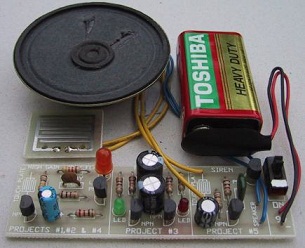 مدار داخلی واکی تاکی(اموزش ساخت)
 کتاب افزایش ممبر کانال تلگرام
 دانلود پاورپوینت فیلتر کالمن بر روی یک سنسور شتاب سنج برای تخمین سه متغیر حالت
 اندیکاتور ای کیو آپشن
 دانلود100% رایگان نرم افزار تبلیغات در تلگرام + آموزش کامل و فیلم آموزشی
پیوند ها
Raisins are among the most versatile dried fruit products in the global food industry. Their naturally sweet flavor, convenient storage characteristics, and wide range of culinary applications make them popular with consumers, retailers, wholesalers, and food manufacturers. From breakfast cereals and bakery products to confectionery, snack mixes, and traditional dishes, raisins provide commercial opportunities across multiple sectors.
Iran has a long history of grape cultivation and raisin production, with different varieties offering distinct colors, textures, and flavor profiles. These characteristics make Iranian raisins an interesting option for businesses seeking to diversify their dried fruit portfolios and develop new sourcing opportunities. However, choosing the right product requires careful attention to quality specifications, processing methods, packaging, food safety, and international shipping arrangements.
Dingonuts Raisin Export Website is a relevant search term for importers, distributors, wholesalers, and manufacturers researching Iranian raisin products and potential export suppliers. Businesses exploring this market need reliable product information and a clear understanding of the factors that influence purchasing decisions.
Successful raisin sourcing is not simply about finding the lowest price. Commercial buyers must consider product grade, consistency, moisture characteristics, packaging, storage conditions, regulatory requirements, and total landed costs. A structured approach helps businesses compare available options, manage supply chain risks, and select products suited to their target markets.
Raisins are produced by drying grapes, allowing much of their natural sweetness and characteristic flavor to remain concentrated in the finished product. They are widely used in retail food products, commercial recipes, and industrial food manufacturing.
Irans grape-growing traditions support the production of different raisin varieties. Depending on the grape type and processing method, raisins may differ in color, size, texture, and flavor. These differences create opportunities for buyers serving diverse customer preferences.
One of the main advantages of raisins is their adaptability. They can be eaten directly, combined with nuts, added to breakfast cereals, or incorporated into a wide variety of recipes.
Bakeries use raisins in bread, biscuits, cookies, cakes, and pastries. Confectionery manufacturers incorporate them into sweets, chocolate products, and snack bars. Restaurants use raisins in rice dishes, sauces, salads, and traditional meals.
Food manufacturers may also use raisins to introduce sweetness, texture, and visual variety into packaged products. Their versatility allows suppliers and distributors to serve several customer groups without focusing on a single application.
For companies researching Dingonuts Raisin Export Website, identifying the most relevant applications is an important first step. Understanding how customers use raisins helps businesses select suitable varieties, grades, and package formats.
Convenient food products remain important for consumers who want snacks that can be stored and consumed in different settings. Raisins can fit into lunch boxes, travel snacks, office snacks, and portable food assortments.
They are also suitable for combinations with nuts, seeds, cereals, and other dried fruits. These combinations allow retailers and food manufacturers to create products for different price points and customer preferences.
However, commercial success depends on more than general consumer interest. Businesses should study the preferences of their target market, competitor offerings, package sizes, and local pricing before making purchasing commitments.
Raisins can serve businesses ranging from small specialty retailers to large food manufacturers. Importers may distribute products to supermarkets, bakeries, restaurants, wholesalers, and food processing companies.
Each segment has different requirements. Retailers may prioritize appearance and packaging, while manufacturers may focus on processing characteristics and consistency. Wholesalers may place greater emphasis on order volumes, availability, and total purchasing costs.
Understanding these differences enables buyers to develop a more focused sourcing strategy and avoid purchasing products that do not meet their customers needs.
Before purchasing raisins internationally, businesses should understand the product categories available and determine which characteristics are most important for their applications.
Green raisins are valued for their distinctive color, sweet flavor, and use in snack products and traditional recipes. They may be sold through retail channels or supplied to businesses that use dried fruits as ingredients.
Commercial buyers should evaluate color consistency, size, texture, product condition, and packaging. These factors may influence the products presentation and suitability for different markets.
Retailers may prefer carefully selected raisins with an appealing appearance, while manufacturers may require specific technical characteristics. Buyers should confirm the available specifications before requesting a quotation.
Golden raisins are recognized for their lighter color and are used in snack assortments, baking, confectionery, and culinary applications.
Their appearance can make them suitable for products where color contrast is important. However, processing methods and product characteristics can vary, so buyers should not assume that all golden raisins have identical specifications.
Importers should request accurate product descriptions and verify relevant processing information, permitted treatments, packaging, and destination-market requirements.
Sultana raisins are commonly associated with sweet, soft dried grapes used in baking, breakfast foods, and snack products. Their suitability depends on variety, processing, and the requirements of the intended application.
Manufacturers may evaluate sultana raisins according to size, texture, moisture characteristics, and consistency. Retail businesses may focus on appearance, flavor, package size, and customer expectations.
A clear specification helps buyers compare products fairly and reduces the possibility of confusion between different raisin categories.
Food manufacturers may purchase raisins in formats suitable for commercial recipes and production processes. Depending on the supplier and application, they may need specific grades, sizes, or preparation methods.
Raisins used in biscuits, breads, cereals, and snack bars must meet the relevant ingredient specifications. Manufacturers should consider whether the raisins will distribute evenly in the recipe, maintain the desired texture, and meet applicable food safety requirements.
Before committing to a large order, businesses may evaluate representative samples under their actual production conditions.
Quality assessment is essential when importing dried fruits. Differences in grading, processing, handling, and storage can affect the finished product and its commercial value.
Product specifications help define the characteristics that a buyer expects to receive. Depending on the raisin variety, these may include size, color, moisture characteristics, foreign matter limits, processing method, and packaging requirements.
The correct specifications depend on the intended use. A premium retail product may require a uniform appearance, while an industrial ingredient may be selected according to technical and processing requirements.
Businesses considering Dingonuts Raisin Export Website should define their desired specifications before requesting offers. Written requirements make it easier to compare quotations and establish clear expectations with potential suppliers.
Appearance and texture can provide useful information about product condition. Buyers should look for consistency appropriate to the agreed grade and check for signs of deterioration, contamination, or damaged packaging.
Aroma is also relevant because unsuitable storage may affect the characteristic smell and flavor of raisins. Product evaluation should follow established quality procedures and should not rely solely on visual inspection.
When purchasing substantial quantities, businesses may request representative samples and relevant quality records before confirming an order.
Moisture characteristics influence the texture, handling, and storage stability of raisins. Products with unsuitable moisture levels or exposure to excessive environmental humidity may experience quality deterioration or spoilage.
Buyers should request the applicable product specifications and storage recommendations. They should also ensure that warehouse conditions and packaging are appropriate for the goods.
Storage requirements may differ according to processing method, packaging, and the intended shelf life. Businesses should therefore follow product-specific guidance rather than applying a single standard to every raisin variety.
International raisin shipments may be subject to food safety and import requirements concerning pesticide residues, contaminants, hygiene, labeling, and other product characteristics.
The exact rules depend on the destination market and product category. Buyers should confirm requirements with relevant authorities and qualified import professionals before shipping.
Depending on the transaction, supporting documents may include commercial invoices, packing lists, certificates of origin, phytosanitary documentation, laboratory reports, and other required records.
Accurate documentation supports traceability and helps businesses prepare for customs clearance and regulatory inspections.
A supplier can influence product quality, commercial costs, delivery schedules, and customer satisfaction. Businesses should evaluate potential suppliers according to their specific requirements and verify important details before placing an order.
Reliable purchasing begins with accurate product descriptions. Buyers should understand the variety, grade, processing method, packaging, available quantities, and other relevant characteristics.
If a product must meet specific requirements, those requirements should be documented before the transaction is finalized. Clear communication helps reduce misunderstandings and supports more consistent purchasing decisions.
When evaluating Dingonuts Raisin Export Website, businesses should confirm the actual products offered, current availability, specifications, and applicable commercial terms rather than making assumptions based on the search term alone.
The price of raisins may vary according to variety, grade, quality, processing, order size, and market conditions. International transactions can also involve freight, insurance where applicable, customs duties, taxes, inspection costs, and local transportation.
Buyers should calculate the total landed cost before comparing suppliers. This approach provides a more realistic basis for determining profitability and establishing resale prices.
Commercial terms should also cover payment conditions, minimum order quantities, delivery responsibilities, and the procedures for handling discrepancies.
Wholesalers and manufacturers often depend on predictable ingredient availability. Delays or changes in supply can affect production schedules, customer orders, and inventory management.
Before entering into a supply arrangement, buyers should clarify lead times, expected quantities, shipment schedules, and communication procedures for unexpected changes.
Agricultural supply chains can be affected by harvest conditions, weather, transport disruptions, and regulatory developments. Effective purchasing plans should recognize these risks and allow businesses to respond when circumstances change.
Commercial documentation supports customs procedures, quality management, and inventory control. Buyers should confirm that product descriptions, quantities, packaging information, and shipment documents are consistent.
Traceability records are particularly important for businesses supplying retailers or manufacturers with formal quality assurance procedures.
Maintaining organized records of orders, batches, inspections, and supplier communications can improve procurement decisions and help businesses investigate any quality issues that arise.
Raisins can support several business models, but each requires a purchasing strategy aligned with the target market.
Wholesalers may purchase raisins for resale to supermarkets, specialty stores, bakeries, restaurants, and food manufacturers.
Their priorities often include suitable bulk packaging, consistent specifications, competitive landed costs, and efficient inventory turnover.
A successful wholesale strategy begins with identifying customer demand and selecting varieties that fit the needs of the distribution network. Businesses should also evaluate storage capacity, delivery schedules, and the financial impact of holding stock.
Retailers can offer raisins as individual snack products, baking ingredients, breakfast additions, or components of mixed dried fruit packages.
Package sizes should reflect customer preferences and the retailers pricing strategy. Clear labeling, accurate product descriptions, and appropriate storage help support customer confidence.
Retailers should also monitor product turnover and avoid ordering quantities that exceed expected demand.
Bakeries and confectionery businesses use raisins in a wide range of products, including biscuits, breads, pastries, cakes, and sweet snacks.
Manufacturers should define ingredient specifications according to their recipes and production equipment. Size, texture, moisture characteristics, and consistency may all affect production performance.
Testing samples before placing a large order can help businesses assess whether the product is suitable for their recipes and quality standards.
Restaurants, hotels, and catering businesses may use raisins in breakfast menus, desserts, salads, rice dishes, and traditional recipes.
These businesses should select package sizes and quantities that match expected consumption. Appropriate storage, careful inventory rotation, and regular product inspections can help maintain quality and minimize waste.
A well-planned import strategy begins with a clear understanding of the businesss commercial objectives.
Businesses should determine who will purchase the raisins and how they will be used. Customer preferences, competitor products, pricing, and local food regulations all influence product selection.
Research can help identify which varieties and package formats are most relevant and whether demand supports a particular purchasing volume.
Buyers should prepare a clear product specification that includes the required variety, grade, size, packaging, and other relevant attributes.
Providing the same requirements to different suppliers makes quotations easier to compare and helps prevent confusion during negotiations.
Import costs can include the product price, freight, insurance, customs charges, taxes, inspection fees, warehousing, and local distribution.
Businesses should also consider currency fluctuations, financing costs, and the amount of capital tied up in inventory.
Calculating total landed cost helps importers evaluate profitability and make more informed purchasing decisions.
Before shipment, buyers should verify import rules, labeling requirements, required certificates, and any product-specific restrictions.
They should also clarify transportation responsibilities, delivery terms, insurance arrangements where applicable, and the documents needed for customs clearance.
Early preparation can reduce the risk of unexpected delays and expenses.
Proper storage and inventory management are important for preserving raisin quality after delivery.
Raisins should be stored in conditions appropriate to their specifications and packaging. Excess humidity, unsuitable temperatures, pests, and poor warehouse hygiene can compromise product quality.
Businesses should keep storage areas clean, inspect packages regularly, and follow the suppliers product-specific recommendations.
Inventory records should track receiving dates, batch information, stock quantities, and expected shelf life.
A first-in, first-out approach can help manage stock rotation when suitable for the product and business requirements. Regular inspections can also help identify packaging damage or signs of deterioration.
After receiving a shipment, businesses should compare the goods with the agreed specifications and record any discrepancies.
Feedback from production teams, retail customers, and distributors can also help buyers determine whether a product consistently meets expectations.
Maintaining these records makes it easier to assess supplier performance and improve future purchasing decisions.
Businesses may consider Iranian raisins because of the countrys established grape-growing traditions and the availability of different raisin varieties. The suitability of any product depends on its specifications, price, quality, and the requirements of the destination market.
Potential categories include green raisins, golden raisins, sultana raisins, and other varieties. Actual availability and specifications should be confirmed with the supplier.
Importers should review product grade, variety, appearance, moisture characteristics, packaging, food safety documentation, shipping terms, and total landed costs.
Yes. Raisins are commonly used in bakery products, cereals, confectionery, snack bars, and many traditional dishes. Manufacturers should confirm that the chosen variety meets their recipe and production requirements.
Buyers can reduce risks by defining product specifications, verifying supplier information, checking required documentation, calculating total landed costs, confirming import regulations, and inspecting shipments after arrival.
Iranian raisins offer potential opportunities for importers, wholesalers, retailers, bakeries, confectionery businesses, and food manufacturers. Their versatility makes them useful in many product categories, while different varieties provide options for diverse consumer preferences and commercial applications.
Successful sourcing depends on selecting appropriate specifications, verifying product quality, understanding storage requirements, checking food safety documentation, and planning transportation carefully. Businesses that prepare thoroughly before placing orders can make more informed decisions and manage purchasing risks more effectively.
Whether you are expanding a dried fruit distribution business, developing new retail products, or sourcing ingredients for food manufacturing, a clear purchasing strategy can help you identify the options best suited to your objectives.
Ready to explore Iranian raisin sourcing opportunities? Define your product requirements, review the specifications relevant to your target market, and take the next step toward evaluating Dingonuts Raisin Export Website for your international purchasing needs.
