×


اگر به یک وب سایت یا فروشگاه رایگان با فضای نامحدود و امکانات فراوان نیاز دارید بی درنگ دکمه زیر را کلیک نمایید.
ایجاد وب سایت یادسته بندی سایت
محبوب ترین ها
پرفروش ترین ها
پر فروش ترین های فورکیا
پر بازدید ترین های فورکیا
 فروش فیلتر بورسی استریکلی فقط 75 هزار تومان
 کسب درآمد اینترنتی 300000 تومان در خانه در کمتر از 30 دقیقه
 کسب و کار اینترنتی با درآمد میلیونی
 روش درآمدزایی در خواب (تعجب نکنید! کلیک کنید و بخوانید)
 ربات همه کاره اینستاگرام
 کسب درآمد از هوش مصنوعی ماهیانه حداقل ۱۲ میلیون تضمینی
 کسب درآمد روزانه حداقل یک میلیون تومان ! کاملا حلال و واقعـی !!
 کسب درآمد ابدی و بی نهایت 100% واقعی
 مجموعه ی آموزش تعمیر لامپ کم مصرف (از مبتدی تا پیشرفته)
 افزایش ممبر کانال، گروه و ربات تلگرام به صورت بی نهایت (اد ممبر)
 دانلود مجموعه آموزشی پایپینگ ( Piping ) و نقشه خوانی + آموزش سه نرم افزار طراحی و تحلیل لوله کشی صنعتی
 آموزش برنامه نویسی آردوینو
 آموزش رایگان کسب درآمد از سایت الیمپ ترید ( olymp trade )
 آموزش بازكردن انواع قفل ها بدون كليد(ويژه)
 کسب و کار اینترنتی در منزل
 بازگردانی پیامک های حذف شده- ریکاوری پیامک ۱۰۰٪ عملی
 اموزش ویرایش امضا و پکیج برنامه اندروید و کسب درامد از مارکت های اندرویدی
 آموزش ساخت بازی بدون دانش برنامه نویسی و طراحی سه بعدی مبتدی تا پیشرفته با نرم افزار
 اموزش کسب درامد از اینترنت روزانه ۳میلیون تومان تضمینی و تست شده 1403
 کد های آماده html و css جهت یادگیری و طراحی سریع
 درامدزایی در خواب! (تعجب نکنید! بخوانید)
 نسخه خطی اشعار و پیشگویی های شاه نعمت الله ولی
 آموزش كامل تعمير لامپ كم مصرف(اختصاصي)
 نسخه خطی اشعار و پیشگویی های شاه نعمت الله ولی
 مدار داخلی واکی تاکی(اموزش ساخت)
 کتاب افزایش ممبر کانال تلگرام
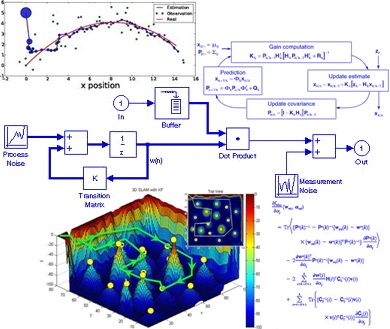 دانلود پاورپوینت فیلتر کالمن بر روی یک سنسور شتاب سنج برای تخمین سه متغیر حالت
 اندیکاتور ای کیو آپشن
 دانلود100% رایگان نرم افزار تبلیغات در تلگرام + آموزش کامل و فیلم آموزشی
پیوند ها
Maintaining an active lifestyle requires more than regular exercise. Your body needs enough energy, carbohydrates, protein, vitamins, minerals, and recovery time to support physical performance and everyday activities. Choosing suitable foods can make it easier to maintain a consistent fitness routine and achieve personal health goals.
Raisins are a convenient dried fruit that can fit into different fitness diets. They contain naturally occurring carbohydrates, dietary fiber, potassium, and small amounts of iron and other minerals. Their compact size and naturally sweet flavor also make them easy to carry, store, and include in homemade snacks.
Understanding Raisins for Fitness can help people decide how this dried fruit fits into their nutritional routine. Whether you enjoy walking, running, cycling, strength training, or other physical activities, raisins can provide a convenient source of carbohydrates.
However, they are not a complete sports nutrition product. They contain very little protein and should be combined with other foods to support a balanced diet. This article explores their nutritional value, potential benefits, workout timing, portion sizes, and practical ways to include them in everyday fitness meals.
Raisins are made by drying grapes until much of their water content evaporates. This process creates a smaller fruit with a more concentrated flavor and nutritional composition.
Because their natural sugars become concentrated, raisins provide more calories per gram than fresh grapes. This characteristic makes them a convenient source of energy when a person needs a small, portable snack.
They also contain fiber and minerals that contribute to overall dietary quality.
For people with active lifestyles, raisins can be useful because they:
Provide carbohydrates for energy.
Are easy to carry during exercise or travel.
Can be combined with protein-rich foods.
Add natural sweetness to homemade snacks.
Contribute potassium and small amounts of other minerals.
Have a relatively long shelf life when stored properly.
Their usefulness depends on individual energy requirements, training intensity, and overall eating habits.
Understanding the nutritional composition of raisins helps explain why they are commonly included in fitness meals.
A typical 30-gram serving provides approximately:
| Nutrient | Approximate amount |
|---|---|
| Calories | 90 kcal |
| Carbohydrates | 24 g |
| Natural sugars | 18 g |
| Dietary fiber | 1.1 g |
| Protein | 0.9 g |
| Fat | 0.2 g |
| Potassium | 220 mg |
| Iron | 0.6 mg |
These amounts can vary depending on the grape variety, moisture content, and processing method.
Carbohydrates are an important fuel source during physical activity.
Raisins contain naturally occurring glucose and fructose, which provide energy. This makes them useful as a convenient snack before exercise or as part of a meal after training.
The amount of carbohydrate a person needs depends on workout intensity, duration, and overall daily activity.
Potassium is an essential mineral involved in muscle contraction, nerve signaling, and fluid balance.
Raisins provide potassium and can contribute to daily mineral intake.
However, they should not be considered a complete electrolyte replacement. People who exercise for long periods may need an appropriate hydration and electrolyte strategy based on their individual needs.
Raisins contain dietary fiber, which supports normal digestive function.
Fiber also contributes to feelings of fullness and helps maintain regular bowel movements.
Although raisins can contribute to daily fiber intake, they should be combined with other sources such as vegetables, legumes, whole grains, and fresh fruit.
Iron is necessary for hemoglobin production and oxygen transportation throughout the body.
Raisins contain a modest amount of non-heme iron, the form found in plant foods.
They can contribute to dietary iron intake, but they are not a concentrated iron source. People who need more iron should include other foods such as lentils, beans, pumpkin seeds, tofu, fortified cereals, and suitable animal products.
Raisins offer several practical advantages for people who exercise regularly.
One of the most useful properties of raisins is their carbohydrate content.
Before physical activity, carbohydrates can help provide energy for working muscles.
A small portion of raisins may be useful when someone needs a quick snack but does not have enough time to prepare a complete meal.
For example, a person going to the gym after work might eat a small serving before training.
The best portion depends on the time since the last meal, exercise intensity, and personal digestive tolerance.
Exercise can reduce muscle glycogen stores, particularly during prolonged or demanding sessions.
Eating carbohydrate-containing foods after exercise helps replenish these energy stores.
Raisins can contribute carbohydrates to a post-workout meal, especially when combined with other foods.
For example, adding raisins to oatmeal with milk provides carbohydrates along with protein and other nutrients.
Consistency is important when building long-term fitness habits.
Preparing snacks in advance can help people avoid relying entirely on convenient but less nutritious options.
Raisins are easy to portion into small containers and carry in a gym bag.
They can also be mixed with nuts, seeds, and other dried fruits to create a practical snack.
Potassium supports normal muscle and nerve function.
People who exercise need a varied diet that provides sufficient minerals and fluids.
Raisins can contribute some potassium, although other foods such as potatoes, bananas, beans, and vegetables are also useful sources.
Raisins can make nutritious meals more enjoyable by adding natural sweetness.
They can be included in:
Oatmeal and whole-grain cereal
Plain yogurt
Homemade energy bites
Fruit and nut mixes
Homemade muffins
Whole-grain breakfast bowls
Their sweetness may reduce the need for additional sweeteners in some recipes, although raisins still contain concentrated natural sugars.
Raisins contain naturally occurring polyphenols and other plant compounds.
These compounds contribute to the nutritional characteristics of grapes and their dried forms.
A balanced diet containing a variety of fruits, vegetables, legumes, and nuts provides a broader range of plant compounds than relying on a single food.
People exercise for different reasons. Some want to improve endurance, others want to build muscle, and some focus on weight management.
Raisins can fit into several of these approaches because their portion size is easy to adjust.
They can provide carbohydrates for active individuals while also serving as an ingredient in balanced meals.
Eating before exercise is a personal choice that depends on training schedules, meal timing, and individual comfort.
Raisins can be a practical pre-workout snack because they provide carbohydrates in a compact form.
Carbohydrates help supply energy during physical activity.
A small portion of raisins may be useful before:
Gym workouts
Walking
Running
Cycling
Recreational sports
Moderate exercise sessions
They are particularly convenient when a full meal is not practical.
A small portion, such as 15 to 30 grams, may suit some people before exercise.
However, there is no universal serving size. Someone completing a short, light workout may not need an additional snack, while someone undertaking a longer session may require more energy.
People who experience digestive discomfort should avoid large portions immediately before exercise.
Raisins can be combined with other foods depending on the time available before training.
Some simple combinations include:
A small portion of raisins and a banana.
Raisins with plain yogurt.
Oatmeal with raisins and cinnamon.
A small handful of raisins with a few almonds.
These options provide different combinations of carbohydrates, protein, and fats.
Post-workout nutrition helps the body recover from physical activity.
The most important nutritional considerations after demanding exercise include adequate carbohydrates, protein, and fluids.
Raisins can contribute carbohydrates, but they contain very little protein.
Protein supplies amino acids that support muscle repair and adaptation after resistance training.
Combining raisins with protein-rich foods creates a more balanced recovery snack.
Suitable options include:
Greek yogurt with raisins.
Milk with oats and raisins.
Cottage cheese with a small portion of raisins.
A smoothie containing milk, banana, raisins, and protein-rich ingredients.
A balanced meal containing tofu, rice, and vegetables.
Not everyone needs to eat immediately after finishing a workout.
For most people, total daily nutrition matters more than a very narrow post-workout eating window.
However, people who train intensely or complete multiple sessions in one day may benefit from planning their carbohydrate and protein intake more carefully.
Endurance activities such as running, cycling, and swimming require sustained energy.
Carbohydrates are an important fuel source during these activities, especially when exercise lasts longer or becomes more intense.
Raisins can provide a convenient carbohydrate source because they are small and easy to transport.
Some people use raisins as part of their carbohydrate intake during prolonged activity.
They can be carried in a small container and eaten in portions.
However, individual needs depend on workout duration, intensity, weather conditions, and digestive tolerance.
Raisins do not replace water or a suitable electrolyte strategy.
For shorter recreational activities, a regular balanced diet may provide sufficient energy without needing special sports products.
A small serving of raisins can still be convenient when someone wants a portable snack.
Strength training places demands on muscles and requires suitable nutrition to support adaptation.
Raisins can contribute carbohydrates to a diet designed for resistance training, but they do not directly build muscle.
Muscle growth depends on several factors, including:
Progressive resistance training
Adequate daily protein intake
Sufficient total energy
Consistent recovery
Quality sleep
Raisins contain less than one gram of protein in a typical 30-gram serving.
For this reason, they should be combined with protein-rich foods rather than treated as a muscle-building food.
A bowl of Greek yogurt with raisins and nuts provides a combination of carbohydrates, protein, and fats.
Oatmeal prepared with milk and raisins can also contribute energy and protein, depending on the ingredients.
For a plant-based option, raisins can be combined with soy yogurt, fortified soy milk, and seeds.
These meals can fit into a balanced strength-training diet.
Raisins can be included in a weight-management diet, but their calorie density makes portion control important.
A 30-gram serving contains approximately 90 calories.
This can be a reasonable snack portion for many people, but eating directly from a large package may lead to consuming more than intended.
Their natural sweetness can make raisins useful in homemade snacks.
For example, they can be added to plain yogurt or oatmeal instead of using larger amounts of sweetened toppings.
However, natural sugar still contributes to calorie and carbohydrate intake.
A few practical strategies include:
Measure a serving before eating.
Combine raisins with protein-rich foods.
Add them to meals rather than eating unlimited quantities.
Include fresh fruit and vegetables throughout the day.
Consider your overall daily energy requirements.
Weight management depends on the overall balance between energy intake and expenditure, not on one specific food.
The ideal amount depends on individual goals, activity levels, and dietary requirements.
A typical serving of raisins is approximately 30 grams.
This provides around 90 calories and 24 grams of carbohydrates.
Some people may prefer a smaller serving before exercise, while others may include raisins in larger meals according to their energy needs.
A small portion may be sufficient as an occasional snack, although additional food may not be necessary if you have already eaten a balanced meal.
People completing demanding workouts may need more carbohydrates overall.
Raisins can contribute to this intake, but they should be combined with other carbohydrate sources and adequate protein.
Raisins can be added to smoothies, oatmeal, and nut mixtures to increase calorie intake.
However, weight gain intended to support muscle development should include adequate protein and structured resistance training.
Several varieties of raisins can be used in fitness meals.
Their nutritional profiles are broadly similar, although flavor, moisture, and texture may vary.
<text>Black raisins are commonly used in snacks, breakfast bowls, and homemade energy bites. Their sweet flavor makes them suitable for mixing with nuts and seeds.</text>
Golden raisins have a lighter color and are frequently added to oatmeal, cereal, yogurt, and baked goods.
Green raisins have a distinct appearance and are popular in some regional markets.
They can be enjoyed directly or included in mixed dried-fruit snacks.
Sultanas are generally produced from seedless grapes and are widely used in breads, cereals, and homemade snack recipes.
The best variety depends on personal preference, product quality, and intended use.
Including raisins in a fitness diet can be simple.
Ingredients:
One serving of plain Greek yogurt
One tablespoon of raisins
A few chopped almonds
Fresh berries
Mix the ingredients and enjoy as a snack or part of breakfast.
Ingredients:
Half a cup of oats
Milk or fortified plant-based milk
One tablespoon of raisins
Cinnamon
Cook the oats and add the raisins before serving.
This meal provides carbohydrates and can also provide protein depending on the milk used.
Ingredients:
Raisins
Almonds
Walnuts
Pumpkin seeds
Mix the ingredients and divide them into individual portions.
This snack is convenient for travel, work, and outdoor activities.
Ingredients:
Milk or fortified soy milk
One banana
One tablespoon of raisins
Greek yogurt or another protein source
Blend the ingredients until smooth.
This recipe provides carbohydrates and protein in a convenient form.
Raisins can be part of many diets, but some people may need to consider their individual health requirements.
Raisins contain concentrated natural sugars and carbohydrates.
People with diabetes should consider portion sizes and include raisins in their carbohydrate planning.
Combining a small serving with protein, fiber, or healthy fats can create a more balanced snack.
The fiber and concentrated sugars in raisins may cause discomfort for some people, particularly when eaten in large amounts.
Starting with a small serving can help determine individual tolerance.
Raisins contain potassium.
Individuals with kidney conditions or other medical reasons to restrict potassium should follow personalized dietary guidance.
Plain raisins are generally free from common major allergens, but cross-contact can occur during processing or packaging.
Always review ingredient and allergen information when necessary.
Product quality is important when selecting dried fruit.
Consider these factors before purchasing:
Appearance: Choose raisins with a natural appearance consistent with their variety. Avoid products showing visible mold or unusual contamination.
Ingredients: Check whether added sugar, oil, preservatives, or other ingredients are included.
Packaging: Select sealed packaging that protects the fruit from moisture and contamination.
Freshness: Review product information and storage instructions.
Storage: Keep raisins in an airtight container in a cool, dry place after opening. Follow the manufacturers recommendations.
Proper storage helps preserve their flavor and texture.
Some claims about dried fruit and exercise can create unrealistic expectations.
Myth 1: Raisins directly increase muscle mass.
Raisins provide carbohydrates but very little protein. Muscle growth requires resistance training, sufficient protein, and recovery.
Myth 2: Everyone needs raisins before exercise.
Pre-workout snacks are optional and depend on meal timing, exercise intensity, and personal preference.
Myth 3: Raisins replace sports drinks.
They provide carbohydrates but do not replace fluid and electrolyte requirements.
Myth 4: Eating unlimited raisins improves endurance.
Large portions can add excessive calories and may cause digestive discomfort.
Myth 5: Natural sugar does not count toward daily intake.
Natural sugars still contribute to total carbohydrate and calorie intake.
Raisins are a convenient dried fruit that provides natural carbohydrates, dietary fiber, potassium, and small amounts of other minerals. Their compact size and long shelf life make them useful for people with active lifestyles.
The main value of Raisins for Fitness https://dingonuts.com/calories-in-kishmish-for-building-muscle/ is their ability to provide convenient carbohydrates before or after exercise and add natural sweetness to balanced meals and snacks.
They can be combined with yogurt, milk, oats, nuts, and seeds to create practical food options that provide a wider range of nutrients. However, raisins are not a substitute for protein-rich foods, proper hydration, or a well-planned diet.
Choose suitable portions, consider your personal training goals, and include a variety of nutritious foods throughout the day. With a balanced approach, Raisins for Fitness can be a simple and enjoyable part of an active lifestyle.
