×


اگر به یک وب سایت یا فروشگاه رایگان با فضای نامحدود و امکانات فراوان نیاز دارید بی درنگ دکمه زیر را کلیک نمایید.
ایجاد وب سایت یادسته بندی سایت
محبوب ترین ها
پرفروش ترین ها
پر فروش ترین های فورکیا
پر بازدید ترین های فورکیا
 فروش فیلتر بورسی استریکلی فقط 75 هزار تومان
 کسب درآمد اینترنتی 300000 تومان در خانه در کمتر از 30 دقیقه
 کسب و کار اینترنتی با درآمد میلیونی
 روش درآمدزایی در خواب (تعجب نکنید! کلیک کنید و بخوانید)
 ربات همه کاره اینستاگرام
 کسب درآمد از هوش مصنوعی ماهیانه حداقل ۱۲ میلیون تضمینی
 کسب درآمد روزانه حداقل یک میلیون تومان ! کاملا حلال و واقعـی !!
 کسب درآمد ابدی و بی نهایت 100% واقعی
 مجموعه ی آموزش تعمیر لامپ کم مصرف (از مبتدی تا پیشرفته)
 افزایش ممبر کانال، گروه و ربات تلگرام به صورت بی نهایت (اد ممبر)
 دانلود مجموعه آموزشی پایپینگ ( Piping ) و نقشه خوانی + آموزش سه نرم افزار طراحی و تحلیل لوله کشی صنعتی
 آموزش برنامه نویسی آردوینو
 آموزش رایگان کسب درآمد از سایت الیمپ ترید ( olymp trade )
 آموزش بازكردن انواع قفل ها بدون كليد(ويژه)
 کسب و کار اینترنتی در منزل
 بازگردانی پیامک های حذف شده- ریکاوری پیامک ۱۰۰٪ عملی
 اموزش ویرایش امضا و پکیج برنامه اندروید و کسب درامد از مارکت های اندرویدی
 آموزش ساخت بازی بدون دانش برنامه نویسی و طراحی سه بعدی مبتدی تا پیشرفته با نرم افزار
 اموزش کسب درامد از اینترنت روزانه ۳میلیون تومان تضمینی و تست شده 1403
 کد های آماده html و css جهت یادگیری و طراحی سریع
 درامدزایی در خواب! (تعجب نکنید! بخوانید)
 نسخه خطی اشعار و پیشگویی های شاه نعمت الله ولی
 آموزش كامل تعمير لامپ كم مصرف(اختصاصي)
 نسخه خطی اشعار و پیشگویی های شاه نعمت الله ولی
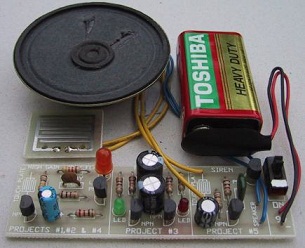 مدار داخلی واکی تاکی(اموزش ساخت)
 کتاب افزایش ممبر کانال تلگرام
 دانلود پاورپوینت فیلتر کالمن بر روی یک سنسور شتاب سنج برای تخمین سه متغیر حالت
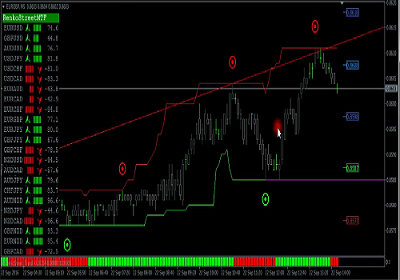 اندیکاتور ای کیو آپشن
 دانلود100% رایگان نرم افزار تبلیغات در تلگرام + آموزش کامل و فیلم آموزشی
پیوند ها
The international pistachio trade offers significant opportunities for importers, wholesalers, distributors, and food manufacturers looking for reliable sources of premium nuts. Among the varieties available from Iran, Ahmad Aghaei pistachios are recognized for their elongated shape, attractive shell appearance, and versatility across different commercial markets. For businesses that require consistent quantities and dependable product specifications, arranging bulk procurement can be an effective way to strengthen their supply chains and expand their product portfolios.
Bulk purchasing, however, requires careful planning. Buyers need to evaluate product grades, supplier capabilities, pricing structures, packaging options, quality-control procedures, and export arrangements before confirming a commercial order. A well-organized procurement process can reduce purchasing risks, improve cost management, and help businesses maintain a consistent supply for their customers.
Choosing to Arrange Bulk Procurement of Ahmad Aghaei Pistachios is not simply a matter of ordering a large quantity. It involves identifying the right product for the intended market, establishing clear specifications, and coordinating every stage of the transaction with a suitable supplier.
This guide explains the essential considerations for wholesale buyers who want to source Ahmad Aghaei pistachios in commercial volumes and build a sustainable purchasing strategy.
Ahmad Aghaei is one of the recognized Iranian pistachio varieties. Its elongated shape and relatively light-colored shell give it a distinctive appearance that can help retailers and distributors differentiate their products.
For wholesale buyers, product differentiation can be commercially valuable. A distributor offering several pistachio varieties can serve customers with different preferences, price expectations, and product requirements.
Ahmad Aghaei pistachios can be considered for several business applications, including:
Wholesale distribution to regional nut retailers
Retail packaging for supermarkets and specialty stores
Supply to restaurants and hospitality businesses
Ingredient sourcing for food manufacturers
Premium nut assortments and gift products
Repackaging and private-label distribution
The appropriate product form depends on the buyers business model. Some customers may prefer in-shell pistachios for direct consumption, while others may require kernels or processed products for manufacturing.
Before purchasing, businesses should identify the intended application and communicate their specifications clearly. This helps suppliers recommend suitable grades and reduces the possibility of receiving products that do not match the buyers expectations.
Bulk procurement differs from small-scale purchasing because the financial commitment, storage requirements, and logistical responsibilities are generally greater.
A wholesale buyer must consider the complete purchasing process rather than focusing exclusively on the unit price. Product consistency, shipment planning, documentation, and supplier reliability all influence the success of a large order.
The first step is calculating how much product your business actually needs. Buyers should consider current inventory, expected sales, customer demand, warehouse capacity, and the time required to receive additional shipments.
A company with established distribution channels may require larger quantities and recurring deliveries. A smaller importer may prefer an initial commercial shipment to evaluate demand before increasing its purchasing volume.
Accurate forecasting helps businesses avoid two common problems: ordering too little and losing potential sales, or ordering too much and tying up capital in slow-moving inventory.
A product specification should clearly identify the variety, grade, size, quality requirements, and packaging format.
For Ahmad Aghaei pistachios, buyers may need to specify:
Required size classification
Preferred shell appearance
Acceptable open-shell percentage
Maximum acceptable closed-shell proportion
Moisture requirements
Foreign material limits
Cleaning and sorting expectations
Packaging type and net weight
Required quality documentation
These specifications should be agreed upon before the supplier prepares the shipment. A clear description creates a shared understanding of what the buyer expects to receive.
Businesses that depend on regular pistachio supplies should develop a purchasing schedule based on inventory turnover and expected demand.
For example, a distributor may plan orders around monthly or quarterly sales forecasts. A food manufacturer may coordinate procurement with its production calendar.
A purchasing schedule can help suppliers plan inventory and processing while allowing buyers to manage storage space and working capital more efficiently.
Not every pistachio shipment is suitable for every commercial application. Grade selection should reflect the expectations of the end customer and the intended use of the product.
Premium grades are often selected by businesses that prioritize appearance, uniformity, and presentation. Retailers selling specialty nuts may prefer carefully sorted pistachios with consistent size and shell characteristics.
A uniform product can improve the visual appeal of retail packaging and support a more consistent customer experience.
Importers targeting premium markets should request detailed information about grading standards and examine representative samples before approving a large purchase.
Standard commercial grades may be appropriate for distributors serving a broad customer base. These buyers often balance quality expectations with purchasing costs.
The right choice depends on the markets price sensitivity and the specifications required by wholesale customers.
Rather than selecting a grade based on its name alone, buyers should compare measurable product characteristics and confirm whether the grade meets their customers requirements.
Food manufacturers may prioritize functional characteristics over retail appearance. Depending on the final product, they may require specific kernel sizes, processing formats, or quality parameters.
Businesses producing confectionery, bakery products, nut-based snacks, and other foods should explain their production requirements before requesting a quotation.
A supplier that understands the intended application can provide more relevant recommendations and help the buyer avoid unnecessary expenses.
Supplier selection is one of the most important decisions in a commercial procurement project. A competitive price is useful, but it should not be the only factor influencing the final choice.
Buyers should assess product availability, quality management, communication, export experience, and the suppliers ability to fulfill the requested quantity.
A suitable supplier should be able to provide accurate information about the available Ahmad Aghaei pistachio grades and specifications.
Ask whether the supplier has sufficient inventory for the requested volume and whether the entire order can be supplied from a consistent production batch.
If the order requires multiple batches, clarify how the supplier manages sorting, grading, storage, and batch identification.
Samples allow buyers to evaluate product characteristics before making a larger financial commitment.
A useful sample assessment may include:
Visual appearance
Size consistency
Shell condition
Flavor and freshness
Cleanliness
General product uniformity
Samples can also be shared with customers or internal quality teams for approval.
For large procurement contracts, buyers should ensure that the approved sample represents the product that will actually be prepared for shipment.
International procurement involves multiple stages, including quotation, specification approval, payment coordination, documentation, inspection, and transportation.
A supplier should be able to communicate clearly throughout these stages. Delayed or incomplete answers can create uncertainty, particularly when a shipment is time-sensitive.
Buyers should also clarify who will be responsible for coordinating export documentation and communicating shipment updates.
A supplier may be able to fulfill one large order but may not necessarily be suitable for recurring procurement.
Businesses planning regular purchases should ask about seasonal availability, inventory planning, processing capacity, and the possibility of establishing a recurring supply arrangement.
Long-term sourcing becomes easier when both parties understand the expected quantities, quality standards, and delivery schedules.
Bulk purchasing can create opportunities for more efficient procurement, but the final cost depends on several commercial factors.
The main variables include product grade, size, quality, order quantity, packaging, processing requirements, seasonal market conditions, and transportation arrangements.
Higher-quality products may command higher prices because of their appearance, sorting requirements, and suitability for premium markets.
However, the most expensive grade is not always the best commercial choice. Buyers should select products according to customer demand and the expected selling price.
For example, a distributor supplying price-sensitive wholesale customers may achieve better results with a suitable commercial grade than with a premium product that is difficult to sell at the required margin.
The quantity purchased can influence the suppliers pricing structure. Larger orders may offer opportunities for improved unit pricing, depending on inventory availability and commercial conditions.
However, buyers should consider whether the potential price advantage justifies the additional storage, financing, and inventory-management costs.
A large order is only commercially beneficial when the business can sell or use the product within an appropriate period.
Packaging requirements can affect the final quotation. Bulk packaging, retail-ready formats, custom labeling, and specialized materials may involve different costs.
Additional cleaning, sorting, or processing requirements may also influence the product price.
Buyers should request a clear breakdown of the commercial offer so they can understand what is included and identify any additional expenses.
The product price does not represent the complete cost of importing pistachios.
Businesses should calculate transportation, insurance where applicable, customs duties, taxes, inspection fees, handling charges, and inland delivery expenses.
These costs contribute to the total landed cost and should be included when determining the resale price.
A well-prepared quotation request makes it easier for suppliers to provide accurate offers and helps buyers compare different sourcing options.
Instead of sending a general request for pistachio prices, importers should provide the information needed to calculate a suitable commercial proposal.
A quotation request should ideally include:
The required Ahmad Aghaei pistachio variety.
The preferred grade and size.
The total purchase quantity.
The intended application or market.
Packaging preferences.
The destination country and delivery location.
Any required quality certificates or inspection arrangements.
The preferred shipment schedule.
When comparing quotations, buyers should verify that the offers refer to equivalent specifications.
One supplier may quote a lower price for a different grade, packaging format, or delivery arrangement. Comparing these offers without examining their details can lead to an inaccurate purchasing decision.
Importers should also confirm the quotations validity period because agricultural product prices and availability may change.
Packaging protects the pistachios during storage, handling, and transportation. The appropriate format depends on shipment volume, distribution requirements, and the final customer.
Bulk packaging is often appropriate for wholesalers, importers, and food manufacturers. It allows products to be transported in larger quantities and can simplify warehouse handling.
Buyers should confirm the packaging material, net weight, sealing method, and suitability for the expected transportation conditions.
Retail packaging may be suitable for importers that want to distribute products directly to supermarkets, specialty stores, and smaller retailers.
Different package sizes can help businesses serve multiple customer groups. However, the packaging must comply with the labeling and food regulations of the destination market.
Some businesses prefer to sell pistachios under their own brand. Private-label packaging can support brand development and help distributors create a recognizable product range.
Importers considering this option should discuss labeling design, minimum packaging quantities, production schedules, and regulatory requirements with their suppliers.
Pistachios should be protected from excessive moisture, heat, contamination, and unsuitable storage conditions.
Importers should establish clear storage procedures before the goods arrive. Warehouses should be clean, dry, and appropriate for food products.
Good packaging and storage practices help preserve freshness and reduce the risk of quality deterioration.
Quality assurance is particularly important when purchasing commercial quantities. A problem affecting a small sample may become a significant financial issue when repeated across an entire shipment.
For this reason, buyers should establish quality requirements before confirming the transaction.
The purchase agreement should identify the characteristics the shipment must meet.
Depending on the product and destination market, these may include size, moisture, shell condition, cleanliness, foreign material limits, and other relevant specifications.
Acceptable tolerances should also be documented to avoid disagreements during inspection.
Pre-shipment inspection can help verify that the prepared goods match the agreed specifications.
Inspection may involve representative sampling, visual examination, laboratory testing, or review of product documentation.
The inspection process should be agreed upon by both parties, including the sampling method and the procedure for reporting discrepancies.
Batch identification can help businesses track product origin, processing information, storage history, and shipment details.
Traceability is particularly useful for importers supplying regulated food markets or maintaining long-term relationships with manufacturers and distributors.
A supplier should be able to provide relevant batch information and supporting documents when required.
International pistachio procurement requires attention to customs procedures and food import regulations. Requirements differ between destination countries, so buyers should confirm the applicable rules before arranging transportation.
Common commercial and regulatory documents may include:
Commercial invoice
Packing list
Certificate of origin
Bill of lading or other transport documents
Phytosanitary certificate, where required
Health or food safety certificates, where applicable
Laboratory test reports, when required
Some markets may have additional requirements related to food safety, labeling, pesticide residues, contaminants, or importer registration.
Businesses should consult the relevant authorities or a qualified customs specialist to determine which documents are necessary.
The supplier and importer should also agree on who is responsible for preparing, checking, and submitting each document.
A large pistachio order requires coordinated logistics. Buyers should consider the transportation method, shipment schedule, destination port, customs clearance, and final delivery arrangements.
The appropriate transportation method depends on order volume, delivery urgency, destination, and budget.
For larger commercial shipments, container transportation may be appropriate. Smaller orders may require different freight arrangements.
Regardless of the method, the product should be protected from unsuitable environmental conditions during transit.
The parties should clearly agree on the applicable delivery terms and responsibilities.
These arrangements determine how transportation costs, insurance, customs responsibilities, and risk are allocated between the seller and buyer.
Importers should understand the selected trade terms before signing the purchase agreement.
Customs clearance can involve document review, product classification, inspections, duties, and other regulatory procedures.
Importers should coordinate with their customs broker before shipment to confirm that all required information is available.
Preparing documentation in advance can reduce the possibility of unnecessary delays after arrival.
Large purchasing decisions can become complicated when important details are overlooked.
One common mistake is focusing exclusively on the unit price. A low quotation may not represent the best value if the product grade, packaging, or delivery conditions are unsuitable.
Another mistake is failing to define specifications. General descriptions such as high quality or premium pistachios do not provide enough information to evaluate a shipment objectively.
Buyers should also avoid placing a large order without reviewing samples or confirming supplier capabilities. Initial evaluation is especially important when working with a new supplier.
Poor demand forecasting can create unnecessary inventory costs. Businesses should estimate sales and storage requirements before committing to large quantities.
Finally, importers should not postpone regulatory checks until the goods are ready to ship. Confirming destination requirements early helps prevent avoidable administrative problems.
A successful procurement strategy should support both immediate purchasing requirements and long-term business development.
Companies should maintain records of supplier performance, product specifications, pricing, delivery times, and quality assessments. These records make it easier to evaluate future quotations and identify reliable supply partners.
Regular communication can also improve coordination. Buyers should share their expected purchasing schedules and notify suppliers about changes in quantity or product requirements as early as possible.
Businesses may benefit from diversifying their pistachio product range. Offering Ahmad Aghaei alongside other Iranian varieties can help distributors reach different customer segments and reduce dependence on a single product category.
A sustainable approach also involves balancing inventory availability with financial resources. Purchasing too frequently may increase administrative and transportation expenses, while purchasing excessive quantities can create storage and cash-flow challenges.
The best procurement structure is the one that matches the companys sales volume, operational capacity, and customer demand.
Before finalizing a commercial purchase, review the following points:
Confirm the variety, grade, and size specifications.
Establish the required quantity and shipment schedule.
Request and evaluate representative samples.
Verify supplier inventory and fulfillment capacity.
Agree on quality standards and acceptable tolerances.
Confirm packaging and storage requirements.
Compare quotations using equivalent specifications.
Calculate the complete landed cost.
Verify destination-country import regulations.
Confirm the required export and commercial documents.
Agree on inspection procedures and delivery responsibilities.
Establish clear payment and contract conditions.
Completing this checklist can help buyers approach procurement more systematically and reduce uncertainty throughout the transaction.
Ahmad Aghaei pistachios can be a valuable addition to the product portfolio of international wholesalers, importers, retailers, and food manufacturers. Their distinctive appearance and commercial versatility create opportunities for businesses serving both premium and general wholesale markets.
However, successful bulk purchasing depends on more than identifying a desirable variety. Buyers must select appropriate grades, evaluate supplier capabilities, establish detailed specifications, compare complete quotations, and plan packaging, quality control, documentation, and logistics.
A structured procurement strategy can help businesses control costs, maintain consistent product standards, and develop stronger relationships with their suppliers.
If your company is preparing to expand its pistachio inventory, Arrange Bulk Procurement of Ahmad Aghaei Pistachios https://dingonuts.com/product/ahmad-aghaei-pistachio/ by first identifying your required grade, quantity, packaging format, and delivery conditions. Request a detailed commercial quotation, review the available product specifications, and coordinate the necessary export arrangements before confirming your order.
With careful planning and reliable supplier cooperation, Arrange Bulk Procurement of Ahmad Aghaei Pistachios can become an effective part of a long-term strategy for supplying quality Iranian pistachios to international markets.
