×


اگر به یک وب سایت یا فروشگاه رایگان با فضای نامحدود و امکانات فراوان نیاز دارید بی درنگ دکمه زیر را کلیک نمایید.
ایجاد وب سایت یادسته بندی سایت
محبوب ترین ها
پرفروش ترین ها
پر فروش ترین های فورکیا
پر بازدید ترین های فورکیا
 فروش فیلتر بورسی استریکلی فقط 75 هزار تومان
 کسب درآمد اینترنتی 300000 تومان در خانه در کمتر از 30 دقیقه
 کسب و کار اینترنتی با درآمد میلیونی
 روش درآمدزایی در خواب (تعجب نکنید! کلیک کنید و بخوانید)
 ربات همه کاره اینستاگرام
 کسب درآمد از هوش مصنوعی ماهیانه حداقل ۱۲ میلیون تضمینی
 کسب درآمد روزانه حداقل یک میلیون تومان ! کاملا حلال و واقعـی !!
 کسب درآمد ابدی و بی نهایت 100% واقعی
 مجموعه ی آموزش تعمیر لامپ کم مصرف (از مبتدی تا پیشرفته)
 افزایش ممبر کانال، گروه و ربات تلگرام به صورت بی نهایت (اد ممبر)
 دانلود مجموعه آموزشی پایپینگ ( Piping ) و نقشه خوانی + آموزش سه نرم افزار طراحی و تحلیل لوله کشی صنعتی
 آموزش برنامه نویسی آردوینو
 آموزش رایگان کسب درآمد از سایت الیمپ ترید ( olymp trade )
 آموزش بازكردن انواع قفل ها بدون كليد(ويژه)
 کسب و کار اینترنتی در منزل
 بازگردانی پیامک های حذف شده- ریکاوری پیامک ۱۰۰٪ عملی
 اموزش ویرایش امضا و پکیج برنامه اندروید و کسب درامد از مارکت های اندرویدی
 آموزش ساخت بازی بدون دانش برنامه نویسی و طراحی سه بعدی مبتدی تا پیشرفته با نرم افزار
 اموزش کسب درامد از اینترنت روزانه ۳میلیون تومان تضمینی و تست شده 1403
 کد های آماده html و css جهت یادگیری و طراحی سریع
 درامدزایی در خواب! (تعجب نکنید! بخوانید)
 نسخه خطی اشعار و پیشگویی های شاه نعمت الله ولی
 آموزش كامل تعمير لامپ كم مصرف(اختصاصي)
 نسخه خطی اشعار و پیشگویی های شاه نعمت الله ولی
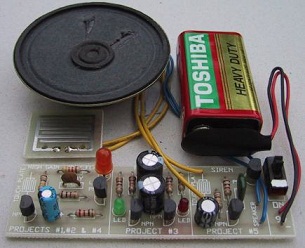 مدار داخلی واکی تاکی(اموزش ساخت)
 کتاب افزایش ممبر کانال تلگرام
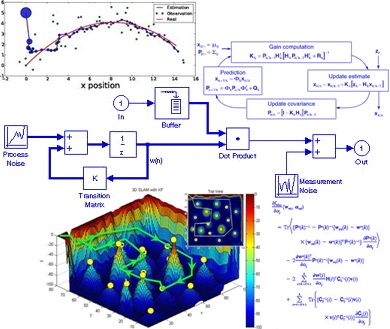 دانلود پاورپوینت فیلتر کالمن بر روی یک سنسور شتاب سنج برای تخمین سه متغیر حالت
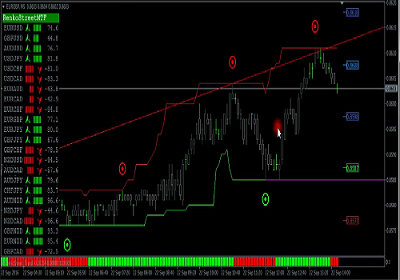 اندیکاتور ای کیو آپشن
 دانلود100% رایگان نرم افزار تبلیغات در تلگرام + آموزش کامل و فیلم آموزشی
پیوند ها
Finding the right balance between product quality and purchasing costs is essential for businesses operating in the dried fruit industry. Importers, wholesalers, food manufacturers, bakeries, and distributors need reliable sourcing options that meet their operational requirements while supporting sustainable profit margins. When purchasing dried apricots for commercial use, understanding the suppliers pricing structure can help businesses make better decisions and plan their procurement more effectively. If you are considering a wholesale purchase, taking the time to Request a Price for Grade B Apricots is an important first step toward identifying a suitable product and supplier.
Grade B dried apricots may be appropriate for applications where processing suitability, flavor, and agreed technical specifications are more important than premium visual presentation. Depending on the suppliers grading system, these products may feature greater variation in size, shape, or appearance than higher-grade alternatives. However, the exact characteristics and quality standards must always be confirmed with the supplier before placing an order.
A well-prepared price inquiry allows buyers to explore available quantities, packaging formats, product specifications, and delivery arrangements. It also creates an opportunity to clarify minimum order requirements, payment terms, and other commercial conditions. By evaluating these factors together, businesses can identify purchasing options that align with their budgets and intended applications.
Grade B dried apricots are classified according to grading criteria established by the supplier or agreed upon between the buyer and seller. These criteria may consider appearance, size, shape, visible defects, moisture content, and other product characteristics.
Because grading systems are not necessarily identical across suppliers, buyers should never rely on the grade name alone when evaluating a product.
Dried apricots naturally vary in color, shape, and size. Their final appearance can also be influenced by the fruit variety, growing conditions, drying technique, and handling procedures.
Depending on the grading criteria, Grade B products may have more visible variation than premium grades. This can make them suitable for certain commercial applications where uniform appearance is not the primary purchasing requirement.
When you Request a Price for Grade B Apricots, ask the supplier to provide a written specification describing the products appearance, acceptable defects, size range, and other relevant characteristics. These details help you determine whether the offered product meets your requirements.
Flavor and processing suitability are important considerations for businesses purchasing dried apricots as ingredients.
Manufacturers may use dried apricots in cakes, pastries, fruit fillings, cereal blends, snack bars, and other processed foods. Depending on the recipe, they may prioritize moisture content, texture, cutting size, and flavor consistency over visual uniformity.
However, Grade B should not be interpreted as a guarantee of particular processing characteristics. Buyers must verify the actual product specification and ensure that the apricots satisfy applicable food safety standards.
A written specification provides a clear reference for comparing products and quotations. Relevant details may include origin, variety where available, grading criteria, moisture range, permitted defects, packaging, shelf-life information, and storage recommendations.
These details are especially important when a business intends to purchase repeatedly. Clear specifications help establish expectations and support more consistent quality assessments across deliveries.
Requesting a price is more than a simple inquiry about cost. It helps businesses understand the commercial options available and evaluate whether a particular product suits their purchasing objectives.
Suppliers may offer different quantities, packaging formats, and product specifications. Requesting a detailed quotation helps buyers understand these differences before making a commitment.
For example, a bakery purchasing dried apricots for fillings may require a different specification from a distributor supplying packaged dried fruit to retail stores.
By explaining your intended application, you can receive more relevant information and avoid comparing products that do not meet equivalent requirements.
Wholesale prices may vary according to order volume, product availability, packaging, processing requirements, and delivery arrangements.
A larger order may qualify for different pricing terms, but the actual savings depend on the suppliers cost structure and the details of the transaction.
When you Request a Price for Grade B Apricots, consider asking for quotations at several realistic order quantities. This can help you determine whether purchasing a larger volume provides sufficient savings to justify the additional inventory.
A detailed quotation helps businesses estimate ingredient costs, calculate production expenses, and prepare purchasing budgets.
Food manufacturers can use pricing information to assess how an ingredient affects the cost of finished products. Wholesalers can evaluate potential resale margins, while distributors can estimate the financial implications of different order sizes.
For a more accurate calculation, include packaging, transportation, storage, and other relevant expenses rather than considering the product price alone.
Several factors can influence the final price offered by a supplier. Understanding these variables makes it easier to evaluate quotations and identify suitable purchasing arrangements.
Order quantity is often an important factor in wholesale pricing. Suppliers may establish minimum quantities according to available inventory, production capacity, packaging formats, or shipping requirements.
Businesses should estimate their actual demand before deciding how much to purchase. Ordering too little may increase the frequency of procurement, while ordering too much can create storage challenges and tie up working capital.
If your purchasing needs are uncertain, ask whether the supplier offers smaller trial quantities or different volume-based pricing options.
The origin of dried apricots, the availability of suitable raw materials, and the production season can influence market prices.
Weather conditions, harvesting volumes, transportation costs, and changes in demand may also affect availability. These factors can make quotations time-sensitive, particularly for international buyers.
Ask the supplier to confirm the products origin, current availability, quotation validity period, and expected preparation time before finalizing your purchasing plans.
Products that require additional sorting, specific sizing, or specialized preparation may have different prices from standard bulk products.
Buyers should identify which characteristics are essential and which variations are acceptable for their applications. This can help suppliers recommend a suitable product without adding unnecessary processing requirements.
The goal is to select a specification that meets operational needs while maintaining a realistic purchasing budget.
Packaging requirements can affect the total cost of an order. Industrial buyers may need bulk food-grade packaging, whereas retail businesses may require consumer-sized packages, customized labels, or private-label solutions.
Before accepting a quotation, confirm the packaging material, net weight, labeling responsibilities, palletization, and any additional customization fees.
Transportation costs can significantly influence the final purchase price, particularly when dried apricots are imported from another country.
The total expense may include freight, inland transportation, insurance where applicable, customs duties, handling fees, and destination delivery.
Ask the supplier to identify the costs included in the quotation and clarify which expenses will be charged separately. Comparing the total landed cost provides a more reliable basis for evaluating offers.
Preparing a clear inquiry helps suppliers provide more accurate pricing information and reduces unnecessary communication.
Start by explaining the type of dried apricots you need and how you intend to use them.
Specify relevant characteristics such as size range, moisture requirements, processing suitability, acceptable appearance variations, and packaging preferences.
If the apricots will be used in a food manufacturing process, provide any technical requirements that could affect the products suitability.
State the quantity you intend to purchase and whether you expect to place repeat orders.
If you are evaluating several purchasing options, request prices for multiple quantities. This allows you to compare the commercial implications of different order sizes.
For long-term procurement, you may also wish to discuss expected monthly or seasonal demand.
Ask for a written product specification and relevant information about quality control, storage conditions, shelf life, and traceability.
Depending on your market and intended application, you may also need food safety certificates, laboratory reports, or other documentation.
Verify that any documents provided are valid and applicable to the relevant product and supplying facility.
A quotation should explain the unit price, currency, minimum order quantity, packaging, payment conditions, lead time, and delivery arrangements.
For international transactions, clarify the applicable shipping terms and responsibility for freight, insurance, customs clearance, and destination charges.
Confirming these details in advance helps prevent unexpected costs and misunderstandings.
Once you receive quotations, evaluate them using consistent product specifications and purchasing assumptions.
Consider quality, total cost, supplier responsiveness, delivery reliability, and the ability to fulfill repeat orders.
For substantial purchases, requesting samples or arranging an appropriate inspection can provide additional confidence before the order is confirmed.
Grade B dried apricots can serve a variety of commercial applications when their specifications match the intended use.
Food manufacturers may use dried apricots in fruit fillings, bakery products, snack bars, cereal blends, and confectionery.
These businesses often need ingredients that meet defined processing requirements and can be supplied consistently. Depending on the application, acceptable visual variation may allow them to consider products beyond premium retail grades.
Manufacturers should conduct suitable application tests to confirm that the product performs as expected.
Bakeries can incorporate dried apricots into cakes, pastries, cookies, breads, and desserts.
For recipes where the fruit is chopped, mixed into dough, or incorporated into a filling, uniform whole-fruit appearance may be less important than flavor, texture, and moisture characteristics.
Before purchasing, buyers should confirm the products suitability for the specific recipe and production process.
Dried apricots are commonly used in breakfast mixes, granola, trail mixes, and snack products.
Manufacturers may require particular cutting dimensions or moisture specifications to achieve the desired texture and consistency.
A detailed product inquiry helps ensure that the quoted product matches the technical requirements of the finished product.
Distributors often supply dried fruit to restaurants, commercial kitchens, bakeries, and other businesses.
Their purchasing decisions may depend on the balance between product specifications, wholesale cost, packaging, and availability.
A clearly defined Grade B product can provide an additional option for customers whose applications do not require premium visual presentation.
Although competitive pricing is important, supplier reliability should remain part of the purchasing decision.
Ask how the supplier inspects, sorts, processes, packages, and stores dried apricots.
Depending on the product and market, relevant procedures may include hygiene controls, traceability, foreign matter prevention, and appropriate testing.
Confirm that the supplier can provide the documentation required for your intended application and destination market.
A reliable supplier should provide clear answers about product specifications, pricing, order quantities, and delivery schedules.
Pay attention to whether the supplier explains uncertainties and provides written confirmation of important commercial details.
Effective communication is particularly important when coordinating international shipments or repeat purchases.
Businesses with recurring demand need suppliers that can maintain agreed specifications and provide realistic delivery schedules.
Ask about available inventory, production capacity, lead times, and procedures for communicating changes in availability.
For long-term purchasing relationships, maintaining records of product specifications and delivery performance can help assess supplier reliability over time.
Businesses can improve their purchasing decisions by avoiding several common mistakes.
First, do not assume that all Grade B apricots are identical. Confirm the suppliers specific grading criteria before comparing prices.
Second, do not focus exclusively on the lowest unit price. Product suitability, food safety, packaging, transportation, and storage expenses all affect the overall value of a purchase.
Third, avoid requesting a quotation without specifying the quantity and delivery destination. Missing information can result in offers that are difficult to compare.
Fourth, do not overlook quotation validity periods. Prices and availability may change, so confirm the terms before placing an order.
Finally, avoid leaving quality acceptance criteria unclear. Agreeing on specifications and procedures for handling nonconforming products helps reduce commercial risks.
A structured purchasing strategy begins with an accurate understanding of business requirements. Estimate your expected demand, identify the characteristics essential to your application, and establish a realistic purchasing budget.
Next, request comparable quotations from suitable suppliers. Use the same quantity, packaging requirements, product specifications, and delivery assumptions to make the comparison meaningful.
Evaluate the suppliers ability to meet your quality requirements and fulfill orders on schedule. Consider samples, written documentation, and independent inspection when appropriate.
Finally, maintain organized records of quotations, samples, specifications, and previous transactions. These records can support better future negotiations and help your business identify opportunities to improve procurement efficiency.
When you Request a Price for Grade B Apricots, approaching the process systematically can help you identify a suitable product while keeping quality and cost considerations aligned.
Grade B dried apricots can be a practical option for food manufacturers, bakeries, snack producers, wholesalers, and distributors that need ingredients suited to specific commercial applications.
The right purchasing decision depends on more than the initial quotation. Product specifications, order quantity, processing requirements, packaging, supplier reliability, and delivery expenses all contribute to the final value.
By preparing a clear inquiry, comparing equivalent offers, verifying documentation, and establishing written quality requirements, businesses can make more informed purchasing decisions and build stronger supplier relationships.
Whether you need dried apricots for food processing, wholesale distribution, or regular commercial production, obtaining a detailed quotation is an effective starting point for planning your purchase.
Ready to explore cost-effective dried apricot sourcing? Request a Price for Grade B Apricots by specifying your required quantity, product characteristics, packaging preferences, and delivery destination. Request a tailored quotation and identify a purchasing solution that supports your business budget, quality standards, and long-term growth.
