×


امروز شنبه ۲ آبان ۱۴۰۵
اگر به یک وب سایت یا فروشگاه رایگان با فضای نامحدود و امکانات فراوان نیاز دارید بی درنگ دکمه زیر را کلیک نمایید.
ایجاد وب سایت یادسته بندی سایت
محبوب ترین ها
پرفروش ترین ها
پر فروش ترین های فورکیا
پر بازدید ترین های فورکیا
 فروش فیلتر بورسی استریکلی فقط 75 هزار تومان
 کسب درآمد اینترنتی 300000 تومان در خانه در کمتر از 30 دقیقه
 کسب و کار اینترنتی با درآمد میلیونی
 روش درآمدزایی در خواب (تعجب نکنید! کلیک کنید و بخوانید)
 ربات همه کاره اینستاگرام
 کسب درآمد از هوش مصنوعی ماهیانه حداقل ۱۲ میلیون تضمینی
 کسب درآمد روزانه حداقل یک میلیون تومان ! کاملا حلال و واقعـی !!
 کسب درآمد ابدی و بی نهایت 100% واقعی
 مجموعه ی آموزش تعمیر لامپ کم مصرف (از مبتدی تا پیشرفته)
 افزایش ممبر کانال، گروه و ربات تلگرام به صورت بی نهایت (اد ممبر)
 دانلود مجموعه آموزشی پایپینگ ( Piping ) و نقشه خوانی + آموزش سه نرم افزار طراحی و تحلیل لوله کشی صنعتی
 آموزش برنامه نویسی آردوینو
 آموزش رایگان کسب درآمد از سایت الیمپ ترید ( olymp trade )
 آموزش بازكردن انواع قفل ها بدون كليد(ويژه)
 کسب و کار اینترنتی در منزل
 بازگردانی پیامک های حذف شده- ریکاوری پیامک ۱۰۰٪ عملی
 اموزش ویرایش امضا و پکیج برنامه اندروید و کسب درامد از مارکت های اندرویدی
 آموزش ساخت بازی بدون دانش برنامه نویسی و طراحی سه بعدی مبتدی تا پیشرفته با نرم افزار
 اموزش کسب درامد از اینترنت روزانه ۳میلیون تومان تضمینی و تست شده 1403
 کد های آماده html و css جهت یادگیری و طراحی سریع
 درامدزایی در خواب! (تعجب نکنید! بخوانید)
 نسخه خطی اشعار و پیشگویی های شاه نعمت الله ولی
 آموزش كامل تعمير لامپ كم مصرف(اختصاصي)
 نسخه خطی اشعار و پیشگویی های شاه نعمت الله ولی
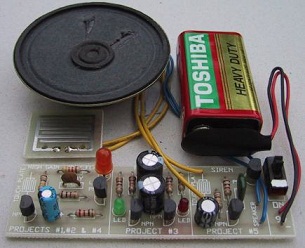 مدار داخلی واکی تاکی(اموزش ساخت)
 کتاب افزایش ممبر کانال تلگرام
 دانلود پاورپوینت فیلتر کالمن بر روی یک سنسور شتاب سنج برای تخمین سه متغیر حالت
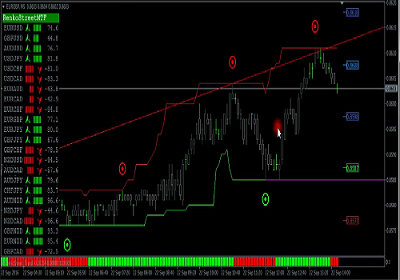 اندیکاتور ای کیو آپشن
 دانلود100% رایگان نرم افزار تبلیغات در تلگرام + آموزش کامل و فیلم آموزشی
پیوند ها
Raisins are among the most versatile dried fruits in the global food industry. Their natural sweetness, convenient storage, and wide range of applications make them a valuable ingredient for bakeries, confectionery manufacturers, snack producers, retailers, and food distributors. As demand for natural ingredients continues to grow, international buyers are increasingly looking for reliable suppliers who can deliver consistent quality, competitive pricing, and dependable export services.
For importers and wholesale distributors, choosing the right supplier involves much more than comparing prices. Product variety, moisture content, color, size, cleanliness, packaging, documentation, and shipping arrangements all influence the success of an international purchasing decision.
Wholesale Raisins for International Buyers is an important consideration for companies seeking to establish a stable supply chain and develop long-term relationships with trusted dried fruit exporters. Understanding the available raisin varieties, evaluating quality specifications, and selecting suitable packaging can help businesses make informed purchasing decisions and meet the expectations of their customers.
Whether you operate a food manufacturing company, manage a wholesale distribution business, or import dried fruits for retail markets, this guide explores the essential factors involved in sourcing raisins efficiently and confidently.
Raisins are produced by drying grapes, allowing their natural sugars and characteristic flavors to become concentrated. Their versatility and long shelf life make them attractive to businesses operating in different sectors of the food industry.
Raisins are used in a broad range of products, including bread, cakes, cookies, breakfast cereals, granola, snack mixes, energy bars, confectionery, and traditional dishes. They can also be packaged as standalone snacks for consumers who prefer convenient fruit-based products.
For manufacturers, raisins offer several advantages. They provide sweetness, texture, and flavor without requiring extensive preparation. Depending on the product formulation, they may also help reduce the need for additional sweetening ingredients.
This broad range of applications creates opportunities for importers to serve multiple customer segments. Businesses sourcing Wholesale Raisins for International Buyers https://dingonuts.com/product-category/dried-fruits/raisins/ can choose product specifications that match the needs of bakeries, industrial food processors, supermarkets, and specialty food retailers.
Many consumers are interested in foods made with recognizable ingredients and fewer unnecessary additives. Raisins can fit into this market because they are naturally sweet dried fruits that can be used in numerous recipes.
However, buyer expectations vary by country and market segment. Some customers prioritize appearance and uniformity, while others focus on ingredient declarations, processing methods, traceability, or price.
Wholesale buyers should therefore evaluate their target market before selecting a product. A raisin variety that performs well in industrial baking may not be the best option for premium retail packaging.
Compared with many fresh fruits, raisins are easier to transport and store when properly dried, packaged, and handled. Their lower moisture content helps support shelf stability, although actual storage life depends on the products specifications, packaging integrity, temperature, humidity, and storage conditions.
For international distributors, these characteristics can simplify inventory planning and make raisins suitable for bulk shipments over long distances.
Selecting the appropriate raisin variety is one of the most important decisions in the purchasing process. Different grape varieties and drying techniques produce raisins with distinctive colors, textures, flavors, and commercial applications.
Golden raisins are known for their light golden appearance and relatively mild, sweet flavor. Their bright color can make them attractive for products in which visual presentation is important.
They may be used in bakery products, cereals, snack mixes, confectionery, and premium dried fruit assortments.
International buyers considering golden raisins should confirm the processing method, color consistency, moisture specifications, and permitted additives. Processing practices can differ between suppliers and markets, so product descriptions should be supported by appropriate specifications and documentation.
Dark raisins are widely used in baking, cooking, and general food manufacturing. Their deeper color and concentrated sweetness make them suitable for bread, cakes, cookies, cereal products, and traditional recipes.
For wholesale purchasing, dark raisins can be a practical option for businesses seeking a versatile ingredient that serves several product categories.
Buyers should evaluate the size distribution, stem content, cleanliness, texture, and flavor profile to ensure the product meets the requirements of the intended application.
Sultanas are commonly associated with light-colored raisins made from particular grape varieties and processing methods. They are often appreciated for their soft texture, sweetness, and suitability for baking and snack production.
Depending on the origin and commercial specification, the terms used for sultanas, golden raisins, and other light-colored raisins may overlap. International buyers should confirm the actual grape variety, processing method, and product grade rather than relying solely on the name.
Iran is known for producing several types of raisins, including varieties associated with different grape-growing regions and drying techniques. Iranian raisins can be relevant to buyers seeking product variety, different color profiles, and flexible sourcing options.
Depending on availability and supplier specifications, buyers may encounter green, golden, and dark raisin products, as well as raisins prepared for different food industry applications.
For companies evaluating Wholesale Raisins for International Buyers, Iranian suppliers may provide opportunities to compare varieties according to color, size, taste, processing, and commercial requirements.
As with any origin, the suitability of a shipment depends on the individual supplier, harvest, sorting process, quality controls, and export documentation. Buyers should assess actual product samples and specifications before placing large orders.
Quality directly affects processing performance, customer satisfaction, and the commercial value of a shipment. Before selecting a supplier, buyers should establish clear product specifications and confirm how those specifications will be measured.
Color is often one of the first characteristics buyers assess. Depending on the intended application, a buyer may prefer a uniform golden appearance, a deep natural color, or a particular shade associated with the selected variety.
Excessive variation in color can affect the appearance of retail packs and finished food products. For this reason, buyers should specify acceptable color ranges and request representative samples where appearance is commercially important.
Raisin size can influence both product presentation and manufacturing performance. Retail brands may prefer visually consistent raisins, while industrial processors may prioritize size ranges that work with their equipment and recipes.
A clear size specification helps reduce misunderstandings between buyers and suppliers. If size grading is important, it should be defined in the purchase agreement rather than left to interpretation.
Moisture content affects softness, handling, storage stability, and performance in food applications. Raisins that are too dry may be harder than desired, while excessive moisture can create storage and quality concerns.
The ideal specification depends on the variety and intended use. Buyers should request documented moisture results and ensure that packaging and transport conditions are appropriate for the product.
Wholesale raisins should be assessed for stems, plant debris, stones, damaged fruit, and other foreign material. Sorting, cleaning, and inspection procedures can significantly influence the quality of the final product.
For food manufacturers, foreign matter controls are particularly important because impurities can interrupt production and create food safety risks.
Buyers should ask suppliers about their cleaning and sorting processes and determine whether additional inspection, testing, or certification is required for their market.
Raisins should have a characteristic flavor and aroma appropriate to the variety, without unusual odors or signs of deterioration. Product evaluation should also consider texture, stickiness, and the presence of damaged or fermented fruit.
A sample evaluation can help purchasing teams compare suppliers before committing to a large shipment. Where necessary, the buyer may also arrange independent testing or pre-shipment inspection.
Finding a dependable supplier is essential for maintaining product consistency and protecting the profitability of an import business. Price matters, but it should be evaluated alongside the suppliers operational capabilities and quality management practices.
An experienced exporter should be able to explain the available varieties, product specifications, packaging choices, production capacity, and export process.
Buyers should ask whether the supplier has experience serving their destination market and whether the supplier can prepare the documentation required for customs clearance and food import compliance.
A professional supplier should communicate clearly about product availability, lead times, order quantities, and any limitations that could affect delivery.
Samples provide a practical way to evaluate product appearance, flavor, texture, and suitability for the intended application. They also help buyers establish a reference point for the quality expected in the final shipment.
In addition to samples, request a technical specification sheet describing relevant parameters such as:
Raisin variety and country of origin.
Color, size, and grade.
Moisture content and applicable tolerances.
Cleaning and sorting standards.
Ingredient and additive declarations, where applicable.
Packaging type and net weight.
Shelf-life information and storage recommendations.
Available quality certificates and laboratory reports.
The exact information required will depend on the product and destination market. Confirm that all specifications are consistent with the purchase agreement and import requirements.
Food safety requirements vary by destination country, but importers should understand the controls needed to protect consumers and maintain regulatory compliance.
Depending on the product, supplier, and destination, relevant considerations may include microbiological criteria, pesticide residue limits, contaminant testing, allergen management, hygiene procedures, and traceability records.
Ask suppliers which quality management systems they use and whether they can provide supporting documents. If a specific certification is required by your customer or regulator, verify its validity and scope instead of assuming that every supplier holds the same certifications.
Effective communication is especially important when suppliers and buyers operate in different countries and time zones. Clear responses, accurate quotations, and consistent documentation can make a significant difference throughout the purchasing process.
Before placing an order, agree on procedures for handling quality discrepancies, shipment delays, damaged packaging, or other problems.
A reliable supplier should be willing to discuss reasonable inspection arrangements and define how any disputes will be addressed under the contract.
Packaging affects product protection, transport efficiency, storage conditions, and final presentation. The best option depends on the buyers business model and how the raisins will be used after importation.
Industrial customers often require raisins in larger food-grade bags or lined cartons designed for bulk handling. Such formats can be suitable for bakeries, confectionery manufacturers, and food processing facilities.
When selecting bulk packaging, consider the net weight, packaging strength, moisture protection, pallet configuration, and ease of handling in the receiving warehouse.
Buyers should confirm that all materials are suitable for their intended food contact and comply with applicable regulations.
Importers supplying supermarkets and specialty retailers may prefer smaller consumer packs. These formats can support private-label programs and branded product lines.
Retail packaging requires additional attention to label information, declared net weight, language requirements, ingredient statements, country-of-origin rules, and any required nutrition information.
Packaging artwork and labeling should be reviewed before production to avoid costly changes or customs-related complications.
Private-label packaging can help distributors differentiate their products and build brand recognition. Depending on the suppliers capabilities, buyers may be able to request customized bag sizes, printed packaging, cartons, or specific labeling arrangements.
Before approving a private-label order, confirm minimum production quantities, artwork deadlines, packaging costs, and the approval process for printed materials.
For Wholesale Raisins for International Buyers, a well-planned packaging strategy can improve operational efficiency while supporting the expectations of the destination market.
Wholesale raisin prices are influenced by several factors, and the lowest quoted price does not always represent the best overall value.
Different raisin varieties and grades can have different prices depending on availability, processing requirements, and market demand.
Premium appearance, tighter size tolerances, additional sorting, and specific quality requirements may increase the purchase price. Conversely, a specification designed for industrial processing may provide better value for buyers who do not need premium retail appearance.
The best approach is to define the actual requirements first and compare suppliers offering equivalent products.
Larger orders may provide access to more competitive unit pricing, depending on supplier capacity, packaging, and market conditions. However, buyers must balance volume discounts against storage costs, working capital, product turnover, and the risk of holding excess inventory.
Businesses with predictable demand may benefit from planned purchasing schedules and longer-term supply arrangements.
The final landed cost includes more than the product price. Freight charges, insurance, customs duties, brokerage fees, inspections, inland transportation, and applicable taxes can all affect profitability.
Request quotations that clearly define the delivery terms and the responsibilities of the buyer and seller. Where Incoterms are used, identify the agreed rule and named place or port so both parties understand who manages each stage of transportation.
Exchange-rate changes, harvest performance, seasonal availability, and international freight conditions may affect sourcing costs.
Importers can manage uncertainty by comparing quotations within a defined period, planning purchases in advance where appropriate, and maintaining communication with suppliers about availability and lead times.
International shipments require careful coordination between the exporter, importer, freight forwarder, and customs authorities. Documentation requirements depend on the product, origin, destination, and applicable trade rules.
Depending on the transaction, the required documents may include a commercial invoice, packing list, transport document, certificate of origin, and relevant product or inspection certificates.
Certain markets may also require phytosanitary documentation or other official certificates for dried fruit products. Requirements should be confirmed with the competent authorities and the importers customs broker before shipment.
Correct product descriptions, quantities, weights, country-of-origin information, and consignee details help reduce the risk of delays.
Importers are responsible for understanding the requirements that apply in their destination markets. These may cover permitted additives, pesticide residues, contaminants, labeling, traceability, packaging materials, and food safety documentation.
Requirements can change, so buyers should verify the current rules before finalizing a contract or shipping date.
A successful shipment begins with an agreed production schedule, packaging plan, loading date, and delivery timeline. Buyers should also determine whether pre-shipment inspection or independent sampling is necessary.
Clear communication about container loading, palletization, product lot identification, and shipping documents helps reduce avoidable delays and disputes.
Even experienced importers can face difficulties when product specifications or commercial arrangements are unclear.
A low quotation may not include the same quality grade, packaging, documentation, or delivery responsibilities as competing offers. Compare equivalent specifications and calculate the expected landed cost before making a decision.
A sample allows buyers to evaluate the product before committing to a large order. Without a reference sample, it may be harder to determine whether the delivered goods match the agreed expectations.
Whenever possible, document the approved sample and connect it to the product specification and purchase contract.
Different countries have different rules for food imports. A product that can be sold in one market may require additional testing, labeling changes, or documentation in another.
Verify the relevant requirements early to prevent unexpected costs and delays.
Raisins should be stored in clean, dry conditions that follow the suppliers recommendations. Excessive heat, humidity, damaged packaging, and poor stock rotation can compromise quality.
A suitable warehouse plan and first-expired, first-out inventory practices can help businesses protect product condition and manage inventory efficiently.
Building a stable relationship with a reliable exporter can create value beyond a single purchase. Consistent communication, documented specifications, predictable order planning, and transparent quality procedures can help both parties improve efficiency over time.
Long-term cooperation may also make it easier to forecast demand, coordinate packaging requirements, plan seasonal purchases, and resolve issues quickly.
For importers seeking Wholesale Raisins for International Buyers, a supplier relationship based on trust and clear commercial agreements can support business continuity and improve the customer experience.
However, long-term cooperation should not replace quality verification. Buyers should continue monitoring incoming shipments, reviewing documentation, and checking that products meet the agreed specifications.
A structured purchasing process makes it easier to compare offers and communicate expectations.
Determine the variety, grade, color, size, moisture specifications, intended use, and any required quality standards. If you are supplying a manufacturer or retailer, confirm its specifications before requesting quotations.
Estimate your expected demand and identify whether you need a trial shipment, a single bulk order, or a recurring supply arrangement. Consider storage capacity and inventory turnover before selecting a quantity.
Ask suppliers to specify the product, price basis, packaging, minimum order quantity, production lead time, delivery terms, payment terms, and documentation available.
Compare samples against your requirements. Review technical specifications, food safety documentation, and any certificates necessary for your destination market.
Document the agreed specifications, quantity, packaging, inspection arrangements, delivery terms, and process for resolving discrepancies. Confirm the shipping schedule and import requirements before production or dispatch.
Following these steps helps reduce uncertainty and creates a more professional foundation for international trade.
Raisins offer significant opportunities for importers, distributors, retailers, and food manufacturers because they are versatile ingredients with applications across many product categories. Nevertheless, successful wholesale purchasing requires careful attention to product selection, quality specifications, supplier reliability, packaging, pricing, and export logistics.
International buyers should compare varieties according to their intended applications, request representative samples, verify documentation, and calculate the full landed cost rather than focusing only on the initial quotation. They should also establish clear agreements about product quality, shipment schedules, and inspection procedures.
By taking a structured approach, businesses can identify suitable suppliers, reduce sourcing risks, and develop a consistent supply chain that supports long-term growth.
Choosing the right partner for Wholesale Raisins for International Buyers is ultimately about finding the right balance between quality, reliability, price, and service. A well-informed purchasing decision can help your business meet customer expectations and compete more effectively in international dried fruit markets.
Are you looking for dependable raisin supplies for food manufacturing, wholesale distribution, retail packaging, or international trade? Define your preferred raisin variety, quality grade, packaging format, and order volume to begin evaluating the most suitable sourcing options for your business.
Contact our sales team today to discuss your requirements for Wholesale Raisins for International Buyers, request product specifications, and explore bulk purchasing solutions tailored to your market. Build a reliable supply partnership with a focus on quality, transparent communication, and long-term business success.
https://nafas90.blogspot.com/2026/10/premium-dried-figs-for-importers.html
