×


امروز چهارشنبه ۶ آبان ۱۴۰۵
اگر به یک وب سایت یا فروشگاه رایگان با فضای نامحدود و امکانات فراوان نیاز دارید بی درنگ دکمه زیر را کلیک نمایید.
ایجاد وب سایت یادسته بندی سایت
محبوب ترین ها
پرفروش ترین ها
پر فروش ترین های فورکیا
پر بازدید ترین های فورکیا
 فروش فیلتر بورسی استریکلی فقط 75 هزار تومان
 کسب درآمد اینترنتی 300000 تومان در خانه در کمتر از 30 دقیقه
 کسب و کار اینترنتی با درآمد میلیونی
 روش درآمدزایی در خواب (تعجب نکنید! کلیک کنید و بخوانید)
 ربات همه کاره اینستاگرام
 کسب درآمد از هوش مصنوعی ماهیانه حداقل ۱۲ میلیون تضمینی
 کسب درآمد روزانه حداقل یک میلیون تومان ! کاملا حلال و واقعـی !!
 کسب درآمد ابدی و بی نهایت 100% واقعی
 مجموعه ی آموزش تعمیر لامپ کم مصرف (از مبتدی تا پیشرفته)
 افزایش ممبر کانال، گروه و ربات تلگرام به صورت بی نهایت (اد ممبر)
 دانلود مجموعه آموزشی پایپینگ ( Piping ) و نقشه خوانی + آموزش سه نرم افزار طراحی و تحلیل لوله کشی صنعتی
 آموزش برنامه نویسی آردوینو
 آموزش رایگان کسب درآمد از سایت الیمپ ترید ( olymp trade )
 آموزش بازكردن انواع قفل ها بدون كليد(ويژه)
 کسب و کار اینترنتی در منزل
 بازگردانی پیامک های حذف شده- ریکاوری پیامک ۱۰۰٪ عملی
 اموزش ویرایش امضا و پکیج برنامه اندروید و کسب درامد از مارکت های اندرویدی
 آموزش ساخت بازی بدون دانش برنامه نویسی و طراحی سه بعدی مبتدی تا پیشرفته با نرم افزار
 اموزش کسب درامد از اینترنت روزانه ۳میلیون تومان تضمینی و تست شده 1403
 کد های آماده html و css جهت یادگیری و طراحی سریع
 درامدزایی در خواب! (تعجب نکنید! بخوانید)
 نسخه خطی اشعار و پیشگویی های شاه نعمت الله ولی
 آموزش كامل تعمير لامپ كم مصرف(اختصاصي)
 نسخه خطی اشعار و پیشگویی های شاه نعمت الله ولی
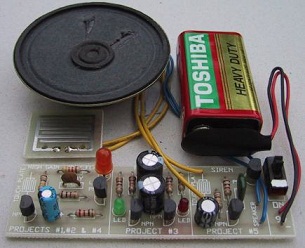 مدار داخلی واکی تاکی(اموزش ساخت)
 کتاب افزایش ممبر کانال تلگرام
 دانلود پاورپوینت فیلتر کالمن بر روی یک سنسور شتاب سنج برای تخمین سه متغیر حالت
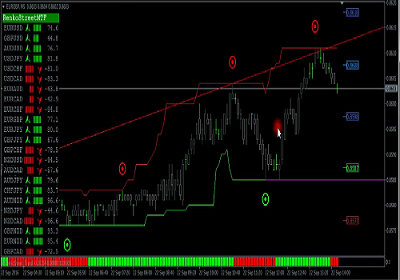 اندیکاتور ای کیو آپشن
 دانلود100% رایگان نرم افزار تبلیغات در تلگرام + آموزش کامل و فیلم آموزشی
پیوند ها
The international market for dates continues to attract wholesalers, food distributors, supermarket suppliers, and retailers looking for high-quality products with distinctive flavors and reliable commercial potential. Among the varieties available from Iran, Kabkab dates stand out for their naturally sweet taste, soft texture, and versatility across different food markets. For businesses seeking to expand their product portfolios, choosing the right supplier and purchasing strategy can make a significant difference in profitability and customer satisfaction.
When you Order Iranian Kabkab Dates for Resale, you are making a purchasing decision that involves more than selecting a date variety. You must evaluate product quality, wholesale pricing, packaging options, storage requirements, transportation costs, and the expectations of your target customers. A carefully planned sourcing strategy helps you manage these factors while building a dependable supply chain.
Whether you operate a grocery store, import dried fruits, supply specialty food retailers, or distribute traditional food products to international markets, Iranian Kabkab dates can offer an appealing addition to your inventory. With appropriate product selection and a reliable supply arrangement, your business can serve customers seeking authentic dates while developing long-term commercial relationships.
This guide explains how to source Kabkab dates for resale, evaluate suppliers, understand pricing factors, select suitable packaging, and develop a purchasing strategy that supports sustainable business growth.
Iran produces several varieties of dates, each with its own characteristics, growing conditions, and potential commercial applications. Kabkab dates are recognized for their rich sweetness, soft consistency, and relatively high moisture content compared with many drier date varieties. Their characteristics can make them attractive to consumers who prefer naturally sweet dates with a tender texture.
The appearance, size, moisture level, and overall condition of Kabkab dates can vary according to cultivation conditions, harvest timing, processing, and storage. Therefore, commercial buyers should evaluate the specifications of each offered batch rather than assuming that every product sold under the same variety name has identical characteristics.
For retailers, Kabkab dates can broaden the selection of traditional foods and dried fruits. Wholesalers can offer them to grocery stores, specialty food shops, restaurants, and distributors serving customers interested in Iranian and Middle Eastern products.
Food service businesses may also consider Kabkab dates for desserts, selected recipes, and other culinary applications. Food manufacturers should confirm that the products specifications and moisture characteristics are appropriate for their intended processes before purchasing.
When you Order Iranian Kabkab Dates for Resale, identifying the right customer segment is an important first step. A product that performs well in a specialty grocery store may require different packaging and pricing from one intended for bulk distribution or food processing.
Understanding your customers helps you select the right product grade, package size, and order quantity. Before contacting suppliers, consider how you intend to sell the dates and what your buyers expect.
Retailers generally need products that are visually appealing, properly packaged, and easy to display. Depending on their customer base, they may prefer smaller consumer packs with clear product information and appropriate labeling.
If you supply supermarkets, consistency between batches can be particularly important. Customers expect to receive a product with similar taste, appearance, and quality when they purchase it repeatedly.
Discuss retail packaging, labeling requirements, package weights, and shelf-life information with your supplier before confirming an order.
Distributors typically prioritize competitive pricing, dependable availability, practical packaging, and the ability to fulfill repeat orders. They may supply several retailers or regional wholesalers, making purchasing volume and inventory planning essential.
If distribution is your primary business model, estimate the expected demand from your existing customers before deciding how much stock to purchase. A suitable order size can help you balance competitive unit costs against storage expenses and inventory turnover.
Specialty retailers often serve customers looking for authentic products from particular regions. Iranian Kabkab dates may complement a broader selection of traditional foods, nuts, dried fruits, and confectionery ingredients.
For this market, origin information, product quality, freshness, and presentation may influence purchasing decisions. Ensure that any origin claims and product descriptions are supported by accurate supplier documentation.
Restaurants, bakeries, catering companies, and food manufacturers may purchase dates for specific culinary applications. Their priorities can differ from those of consumer-facing retailers.
These buyers may focus on texture, moisture content, ingredient consistency, processing suitability, and the cost per usable kilogram. Before purchasing, confirm whether the offered grade meets the technical requirements of your recipes or production process.
Defining your target market allows you to Order Iranian Kabkab Dates for Resale https://dingonuts.com/product/kabkab-date/ with a clearer understanding of the specifications and quantities that support your business objectives.
Product quality is one of the most important factors affecting customer satisfaction and repeat sales. Although suppliers may use different grading systems, buyers should establish measurable expectations before placing an order.
Examine the uniformity, color, size, and overall appearance of the dates. Some markets may favor more uniform products for retail presentation, while other buyers may prioritize flavor and practical suitability over appearance.
Ask your supplier to explain the grading criteria and provide representative product photographs or samples when available. If size uniformity is important to your business, specify the acceptable range in the purchase agreement.
Kabkab dates are generally known for their soft texture, but moisture levels can differ between batches. These differences may influence handling, packaging, storage, and transportation.
Ask for available product specifications and storage recommendations. If your business requires a particular moisture range, communicate that requirement clearly and confirm whether the supplier can document compliance.
Commercial dates should be evaluated for cleanliness, visible damage, foreign material, and other defects relevant to the agreed quality standard. The acceptable criteria depend on the product grade and intended application.
Request information about sorting procedures, inspection practices, and quality-control measures. For larger purchases, consider agreeing on inspection procedures and how any quality discrepancies will be handled.
A representative sample can help your purchasing team evaluate whether a product meets its requirements before committing to a larger shipment. However, a sample alone cannot guarantee that the delivered batch will be identical.
For recurring orders, document the agreed product specifications and ask how the supplier maintains consistency across shipments.
Taking these steps helps you Order Iranian Kabkab Dates for Resale with greater confidence and reduces the risk of receiving products that do not meet your customers expectations.
Wholesale prices can vary according to product quality, order volume, seasonal availability, packaging, and delivery arrangements. Understanding these variables helps buyers evaluate offers more effectively.
Suppliers may offer different prices for different purchasing volumes. Larger orders can sometimes reduce the unit price because handling and preparation costs are distributed across more product.
However, purchasing a larger quantity is not always the most economical choice. Additional inventory requires sufficient storage capacity and creates the possibility of slower stock turnover.
Calculate your expected sales and storage costs before deciding whether a volume-based discount provides a genuine financial advantage.
Higher-grade products may command higher prices when they require more selective sorting, greater uniformity, or additional handling. However, the most expensive option is not necessarily the best choice for every resale business.
Choose a grade that meets the needs of your customers without adding unnecessary costs. A distributor serving price-sensitive buyers may have different requirements from a retailer selling premium food products.
Packaging costs can influence the final wholesale price. Bulk cartons, food-grade liners, retail-ready packs, and customized labels may involve different materials and labor requirements.
If you need private labeling or market-specific packaging, ask the supplier whether these services are available and whether they affect minimum order quantities or production lead times.
Agricultural production can fluctuate due to weather, harvest conditions, and other seasonal factors. These changes may affect the availability and pricing of dates.
Businesses planning recurring purchases should discuss expected supply periods with their suppliers. Current quotations should be used for purchasing decisions rather than relying on historical prices.
Transportation, insurance, customs charges, handling, and other import-related expenses can significantly affect the final cost of a shipment.
Ask whether the quotation covers transportation and which party is responsible for specific delivery arrangements. The relevant responsibilities should be clearly documented under the agreed trade terms.
To compare offers accurately, calculate the total landed cost per kilogram rather than focusing exclusively on the suppliers initial unit price.
Selecting a dependable supplier is essential for maintaining product quality, controlling costs, and satisfying customers over time.
Look for suppliers that can clearly explain their products, available quantities, quality standards, packaging options, and export capabilities. Ask about their experience serving businesses similar to yours and whether they can accommodate your expected purchasing schedule.
A supplier should provide clear information about what is available and avoid making unsupported promises about product quality, shipment timing, or uninterrupted supply.
Ask how the dates are inspected, sorted, packed, and prepared for shipment. Depending on your destination and business model, you may also require product specifications, batch traceability, food safety documentation, or relevant certificates.
Confirm that any documents supplied meet the requirements applicable to your market. Importers should independently verify destination-country regulations before committing to an international order.
Clear communication can help prevent errors involving quantities, specifications, packaging, and delivery arrangements. A professional supplier should respond to questions with relevant details and provide a written quotation that explains the commercial conditions.
Pay attention to how the supplier handles requests for clarification. If important questions remain unanswered during the quotation stage, establish clear procedures before proceeding with a large transaction.
Before paying for an order, ensure that the written agreement identifies the product, quantity, quality specifications, packaging, price, payment terms, delivery arrangements, and expected schedule.
For international shipments, clarify the responsibilities of each party regarding freight, insurance, customs clearance, and required documents.
A structured purchasing process helps protect your business and creates a stronger foundation for repeat transactions.
Packaging and storage can influence the quality of dates throughout the distribution process. Because Kabkab dates are relatively moist compared with many dried varieties, businesses should pay particular attention to handling conditions and supplier recommendations.
Retailers may need consumer-friendly packages with appropriate labeling, while wholesalers may prefer larger cartons that simplify storage and handling. Food manufacturers may require bulk packaging suited to their production facilities.
Consider the package weight, material, sealing method, handling requirements, and suitability for the expected transport conditions. For retail products, also confirm that labeling meets applicable regulations in the destination market.
Ask the supplier for written guidance on storage temperature, humidity, packaging integrity, and any recommended refrigeration requirements. The correct conditions depend on the products moisture level, processing, packaging, and expected storage duration.
Keep inventory in a clean environment and follow a systematic stock rotation procedure. Monitor packages for damage and follow the suppliers guidance for maintaining product quality.
Inventory planning is especially important when dealing with agricultural products. Purchasing too much stock can increase storage costs and create challenges if sales are slower than expected.
Estimate your average monthly demand, review historical sales, and consider seasonal purchasing patterns. For new products, an initial order that matches realistic demand can help you evaluate customer response before expanding your purchasing volume.
A well-managed storage and inventory strategy can support better product quality and more predictable business performance.
Purchasing at a competitive wholesale price is only one part of a successful resale operation. Your business must also establish appropriate selling prices, control operating expenses, and understand the expectations of its customers.
Begin by calculating the total cost of acquiring the dates. Include the product price, freight, insurance, import duties where applicable, handling, storage, packaging, and expected distribution expenses.
Next, research the prices and positioning of comparable products in your target market. Consider the quality, package size, product origin, and customer segment when evaluating competitors.
Establish a selling price that supports your required margin while remaining appropriate for the market. Avoid relying on an assumed markup without accounting for the full cost of delivering the product to your customer.
You should also develop a plan for repeat sales. Reliable availability, consistent specifications, accurate product information, and responsive customer service can help retailers and distributors build stronger relationships with their buyers.
When you Order Iranian Kabkab Dates for Resale, evaluate the purchase as part of a broader commercial strategy rather than as an isolated transaction.
Several avoidable mistakes can reduce the profitability of a wholesale purchase.
One common mistake is choosing a supplier solely because the initial price is low. An offer may appear attractive but become less competitive after transportation, packaging, handling, and other expenses are included.
Another mistake is failing to define quality specifications. Without a clear description of the expected product, the buyer and supplier may have different interpretations of what constitutes an acceptable batch.
Purchasing excessive quantities is another potential problem. Although larger orders may offer lower unit prices, slow inventory turnover can increase storage expenses and tie up working capital.
Buyers should also avoid overlooking destination-market requirements. Import documentation, food safety rules, labeling standards, and customs procedures should be reviewed before shipment arrangements are finalized.
Finally, do not rely exclusively on verbal promises. Record the agreed specifications, quantities, prices, payment conditions, and delivery responsibilities in writing.
By avoiding these mistakes, businesses can make more informed purchasing decisions and improve the reliability of their supply arrangements.
Iranian Kabkab dates offer wholesalers, retailers, distributors, and food businesses an opportunity to expand their product selection with a naturally sweet date variety known for its soft texture and distinctive characteristics. Their commercial suitability, however, depends on selecting the right quality, packaging, supplier, and purchasing volume for your target market.
A successful wholesale purchase begins with clear specifications and realistic demand planning. By evaluating supplier capabilities, comparing total landed costs, checking relevant documentation, and establishing written commercial terms, your business can reduce purchasing risks and create a more dependable supply chain.
Whether you are entering a new market or expanding an established distribution operation, a structured sourcing process can help you make better decisions and develop long-term supplier relationships.
Ready to expand your inventory with authentic Iranian dates? Contact a dependable wholesale supplier, discuss your quality and packaging requirements, and Order Iranian Kabkab Dates for Resale at a quantity and price suited to your business goals.
